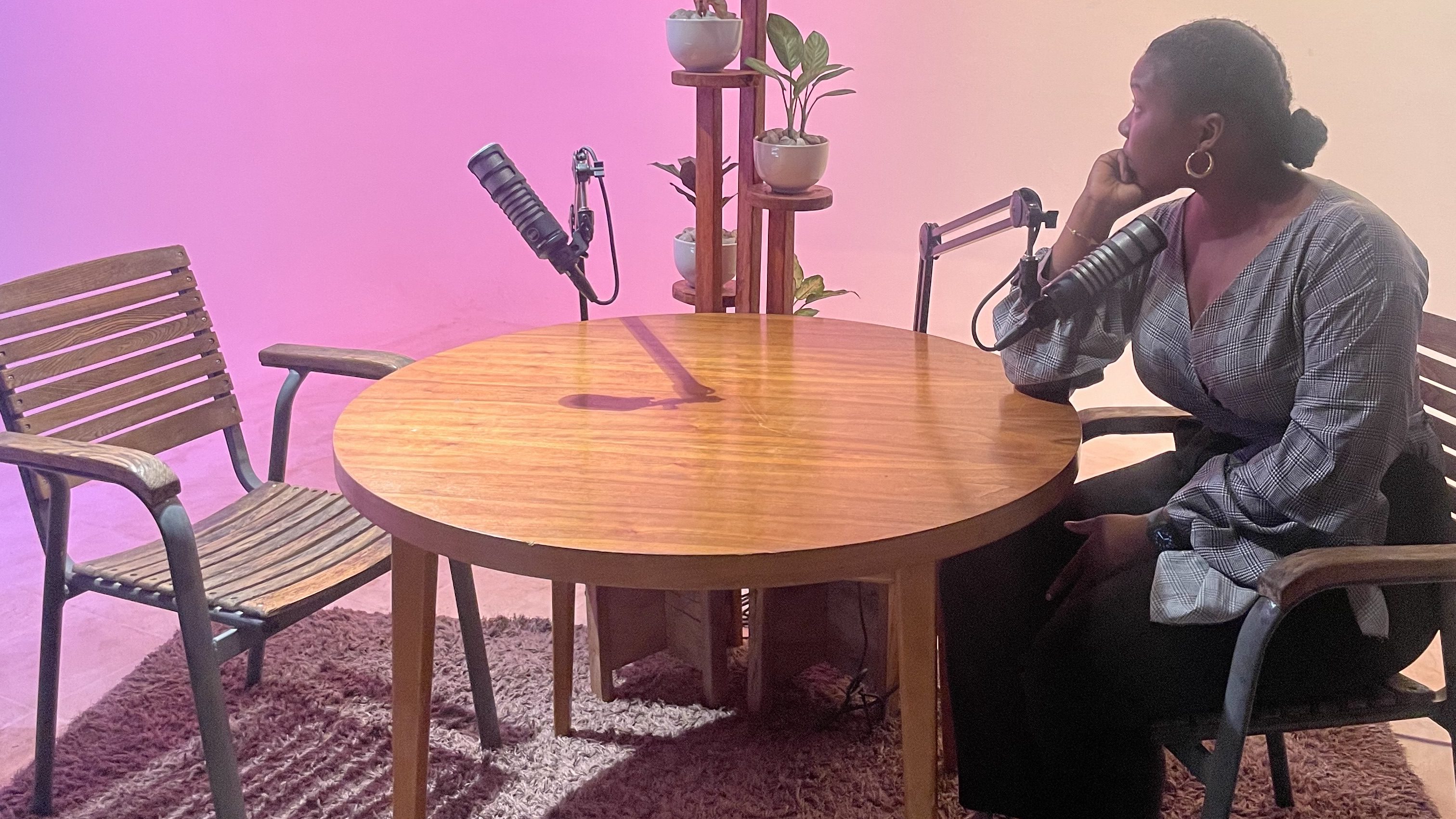
When I pressed “record” on the very first episode of Honestly Speaking with Antonia Howard, I only knew that Sierra Leone needed more spaces for honest, unfiltered dialogue; conversations that cut through noise and held a mirror to who we are as a people.
Twenty episodes later, I find myself pausing to reflect. Each conversation, whether on our collective mindset, the state of education, the role of social media, or the values we’ve lost and must recover, has reminded me that storytelling is not just about recording voices. It is about creating a space where those voices can challenge, affirm, and sometimes even unsettle us.
I’ve spoken with entrepreneurs, educators, historians, activists, strategists, artists and many more. What stands out most is how deeply people want to talk about the issues. At a time when misinformation and division dominate the public sphere, Honestly Speaking has become a consistent, principled space for honest engagement.
Personally, I’ve learned that listening itself is an act of nation-building. Hosting Honestly Speaking has sharpened my courage and reinforced my belief that progress begins when we confront uncomfortable truths together.
But this podcast isn’t just about my personal journey. It’s also about a generation asking: who are we, and who do we want to become? The conversations are Sierra Leonean at heart, yet they echo struggles and aspirations familiar across Africa and the wider world.
Looking ahead, I see Honestly Speaking growing into more than just a podcast. It is becoming a platform: a space for deeper storytelling, more diverse voices, and conversations that don’t end when the episode does, but spill over into homes, classrooms, and even policy debates.
Twenty episodes is just the beginning. The real work and the real promise lies in the conversations yet to come.
So here is my invitation: keep listening, keep sharing, and keep asking deep questions. Support independent voices. Amplify conversations that matter. Challenge leaders, but also challenge yourselves. Because the Sierra Leone we want will only be built if we have the courage to speak honestly about the one we have today.
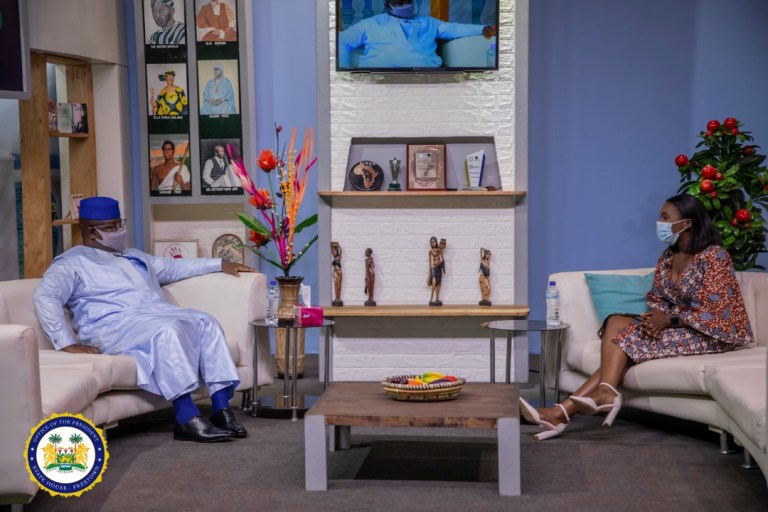
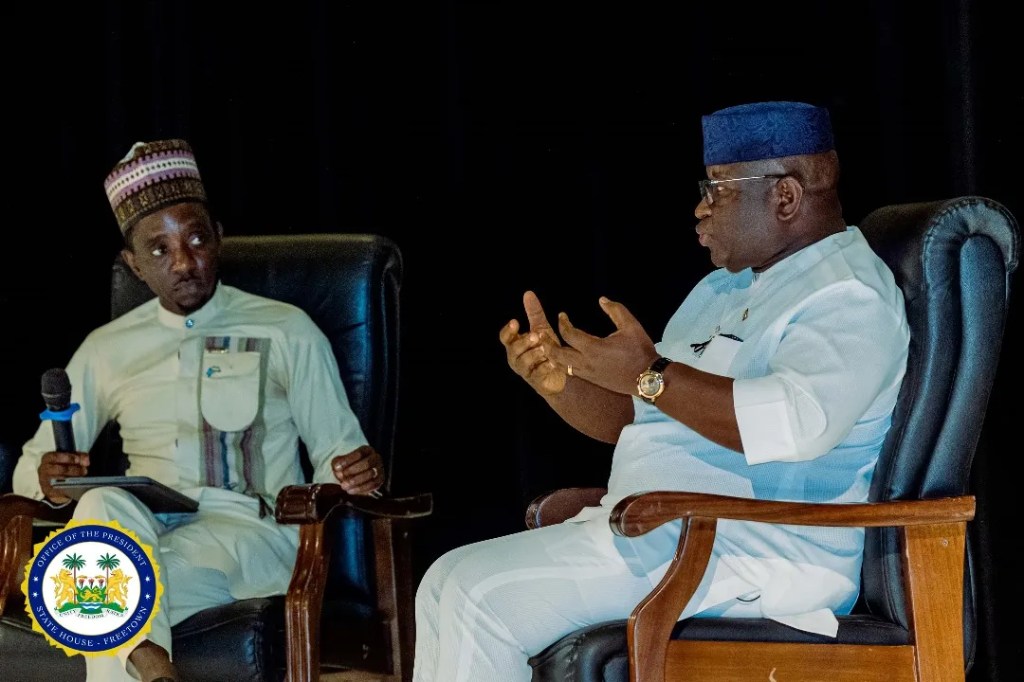
Back in April 2021, three years after he was first declared President, I had the chance to interview President Bio. Now, a year after the June 2023 elections, it’s heartening to see that it didn’t take him too long this time to engage directly with the people.
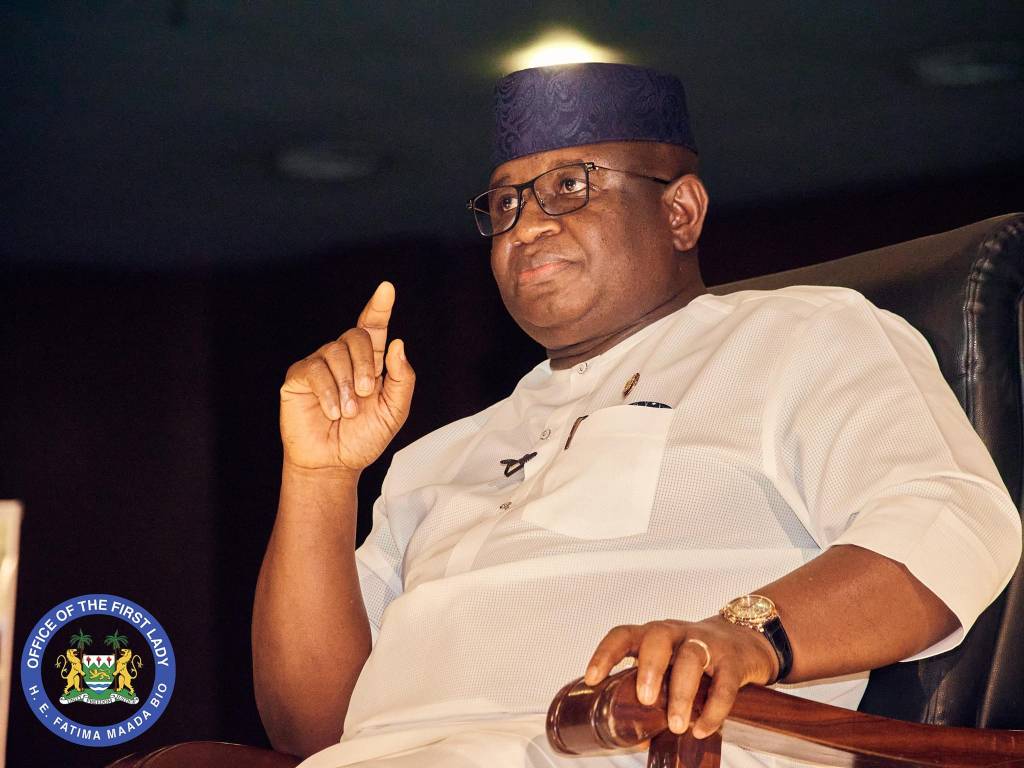
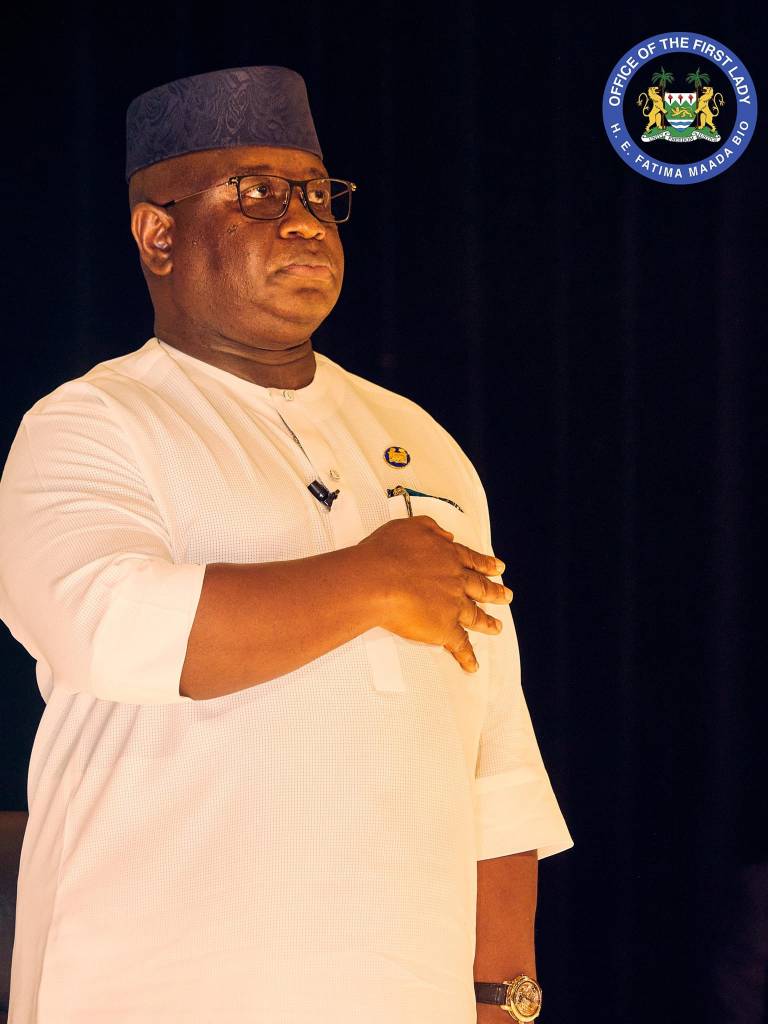
President Bio at AYV TV studios in 2021President Bio at the National Town Hall with Information Minister Chernor Bah
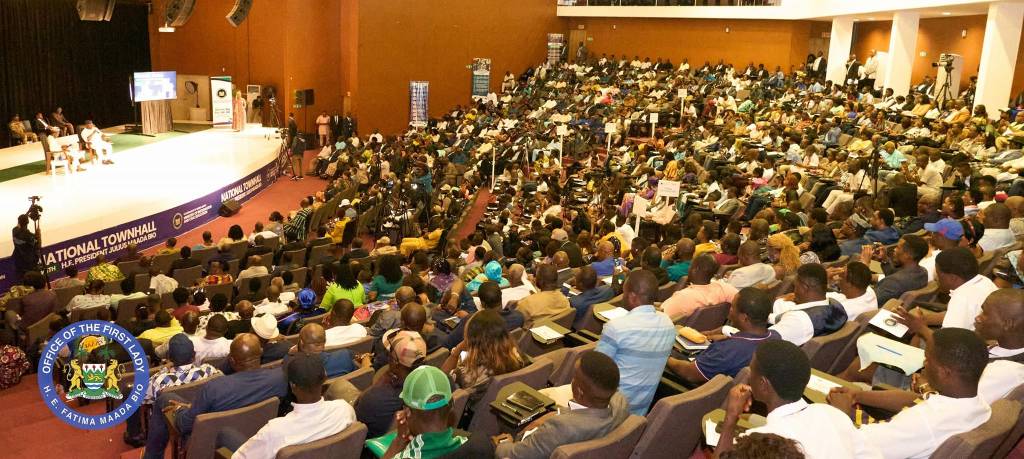
This recent town hall was a moment of transparency and dialogue that many have been waiting for. Citizens were asked to send their questions in advance via text or through a web link. The event was grand, broadcast by TV and radio networks across the country. According to the Ministry of Information, over a thousand people sent requests to attend and over 870 people sent in questions which were grouped under key government initiatives the President would respond to. These include the Feed Salone project, human capital development, youth empowerment and employment, public service architecture, and infrastructure development; under the theme the “Big 5 Game Changers.”
The town hall showcased a blend of positive strides, areas needing improvement, and missed opportunities. It was a platform where the President’s engagement with the public felt genuine, yet it also highlighted some critical areas where this administration could do better.
Speaking in Krio One of the most outstanding aspects of the town hall was President Bio’s decision to speak in Krio. It made the event feel Sierra Leone-owned, reaching Sierra Leoneans from all walks of life. Speaking in Krio ensured the message was accessible to everyone and was a powerful reminder that government communication can and should resonate with the everyday experiences of all citizens. The President tagged the town hall “fambul talk,” which I felt was apt. There was a warmer approach to this conversation unlike any other I had seen President Bio engage in.
Addressing Environmental Challenges The compassionate approach to the recent heavy rains and their devastating impact was another standout moment. President Bio sympathised with those affected by floods and discussed government efforts to mitigate and respond to environmental disasters. He also highlighted the importance of protecting our environment, acknowledging that citizens, including public officials, often build in illegal zones and block waterways. His call to action for citizens to prevent flooding and landslides was timely and necessary.
Tackling Drug Abuse The focus on drug abuse, particularly the synthetic drug “kush,” was also crucial. He talked about the establishment of a task force to combat drug abuse, coupled with the promise of stringent action against dealers. He seemed to show a serious commitment to addressing this growing problem. Although I felt his approach to addiction was somewhat insensitive, his appeal for community involvement in exposing drug dealers reflects a needed collective effort to tackle this issue.
Agriculture: A Path to Prosperity President Bio was particularly passionate about agriculture, emphasising its potential to ensure food security and provide employment for young people. He highlighted that farming is not just about making rice affordable but also about expanding the economy and improving the living conditions of citizens. The Feed Salone project aims to tackle malnutrition while helping the country earn foreign currency to stimulate economic growth. He also acknowledged the government’s role in making farming profitable and appealing and encouraged young people to consider agriculture as a business. Leading by example, President Bio talked about his own farm, showcasing his commitment to this vital sector.
FGM: A Harmful Practice An inquiry on this from a member of the audience who had sent in her question brought up the sensitive issue of FGM. President Bio was not shy to admit that some cultural practices are outdated. I appreciate his honesty in naming FGM as a practice that is harmful and endangers lives. He challenged the idea of activists and the international community giving sanctions and interfering with the cultures of other states. He made his stance clear as a pro-choice advocate, emphasising his priority to protect children through stringent laws and effective enforcement while allowing adults the right to choose, hoping the practice will phase out naturally.
That being said, I did find it a bit contradictory that the President initially said that although the issue is politicised and he is at the pinnacle of politics, he doesn’t play politics with lives. Yet, he ended with a caution that if we approach the issue differently—referring to calls for a total ban on FGM —”maybe we will not be here even before the next elections.”
There were many other topics President Bio addressed that were fascinating to hear his perspective on. He spoke passionately about infrastructure, claiming it should be his legacy given the number of roads and bridges his administration has constructed. On electricity supply, he candidly called out corruption within the Electricity Distribution and Supply Authority (EDSA) and among citizens. Bio also talked about the mining sector, the Millennium Challenge Corporation funds, Sierra Leone’s position at the UN security council and other governance issues. He seemed transparent and very comfortable expressing himself. While the overall engagement was commendable, there were notable areas where the event fell short of its potential.
Inclusivity and Representation The process of capturing questions for the town hall highlighted an area of concern. With a population exceeding seven million and over three million registered voters, the 870 questions or so received is actually disproportionately low. The question submission process also meant that only people who were literate, had a phone or computer, and access to the internet could send questions. This discrepancy points to the lack of inclusiveness and limited accessibility, especially considering the country’s low literacy rate and limited internet access. Additionally, the Q&A session was only open to those who had submitted questions via the link or toll-free line, totalling only five, which made it seem less transparent.
Women as an Afterthought It seemed as though the President overlooked women as a vital constituency for a significant portion of the event. It took him over 90 minutes to outrightly acknowledge women, missing an opportunity to show that the government truly values equality. His attention turned to women in the middle of a response to a question about the UN Security Council. He stated that Sierra Leone is the freest country for women and that it cares for women more than anyone else, highlighting the laws in place. He also claimed that Sierra Leone is regarded as a champion for gender and women’s empowerment. These statements were soon put to the test.
The Elephant in the Room There was a member of the audience who wanted to ask a question despite not being part of the selected few given the opportunity to do so. She was quickly surrounded by a group of men who were trying to stop her from speaking out. She was intimidated by the audience and scolded publicly for breaking the rules. Fortunately, on the President’s instruction, she was handed a mic to ask her question.
While I applaud President Bio for his decision to let her speak, I do think he missed an opportunity to address two critical issues presented by this incident.
Overzealous Supporters & Response to Dissenting Views Leaders sometimes fail to call out their supporters when they are wrong, and this incident was a perfect example. While the President was willing to let the woman ask a question, he could have equally corrected the response and behaviour of fellow citizens. Those who tried to silence her, even after she was granted permission to speak, were not reprimanded and this behaviour went unchecked. This was a good chance for President Bio to promote a culture of respectful discourse and tolerance that he completely missed, perhaps distracted by all the needless commotion over something so fundamental to a democracy.
Democracy has rules, agreed. Sometimes, however, a radical approach is necessary to get leaders to listen. Protests in Kenya recently, where thousands stormed Parliament to contest a finance bill, show that citizens will go to great lengths to have their voices heard. While some may describe the actions of protesters as “impolite,” it is their way of demanding their rights. Luckily for us, the woman at the town hall simply wanted to ask a question.
National Cohesion Another missed opportunity was the President’s approach to promoting national cohesion. While he condemned hate speech and generally called for peace and unity, his rhetoric occasionally reflected an “us vs. them” outlook. His jokes about the opposition’s call for re-election, while perhaps intended to lighten the mood, truly detracted from the seriousness of promoting national unity.
Overall, the national town hall was a step in the right direction. The event was well organised and on the whole, successfully executed. The President’s sense of humour and charisma really shone through, making his performance endearing and enjoyable. The launch of the magazine titled One Year into the Big 5 added a meaningful touch, providing a detailed look at the administration’s achievements and ongoing efforts.
Ultimately, the idea of bringing the President to the people is something citizens could use more of. For future engagements though, it would be even better if a neutral person asked the questions—I mean, you can’t be both the referee and the player. And a much more open and inclusive process will be essential for building a united and prosperous Sierra Leone.
Photo credits: Office of the First Lady, Office of the President
The past weeks have been nothing short of remarkable for Sierra Leone’s music scene. From groundbreaking singles to historic performances, Sierra Leonean artists are making waves both locally and internationally.
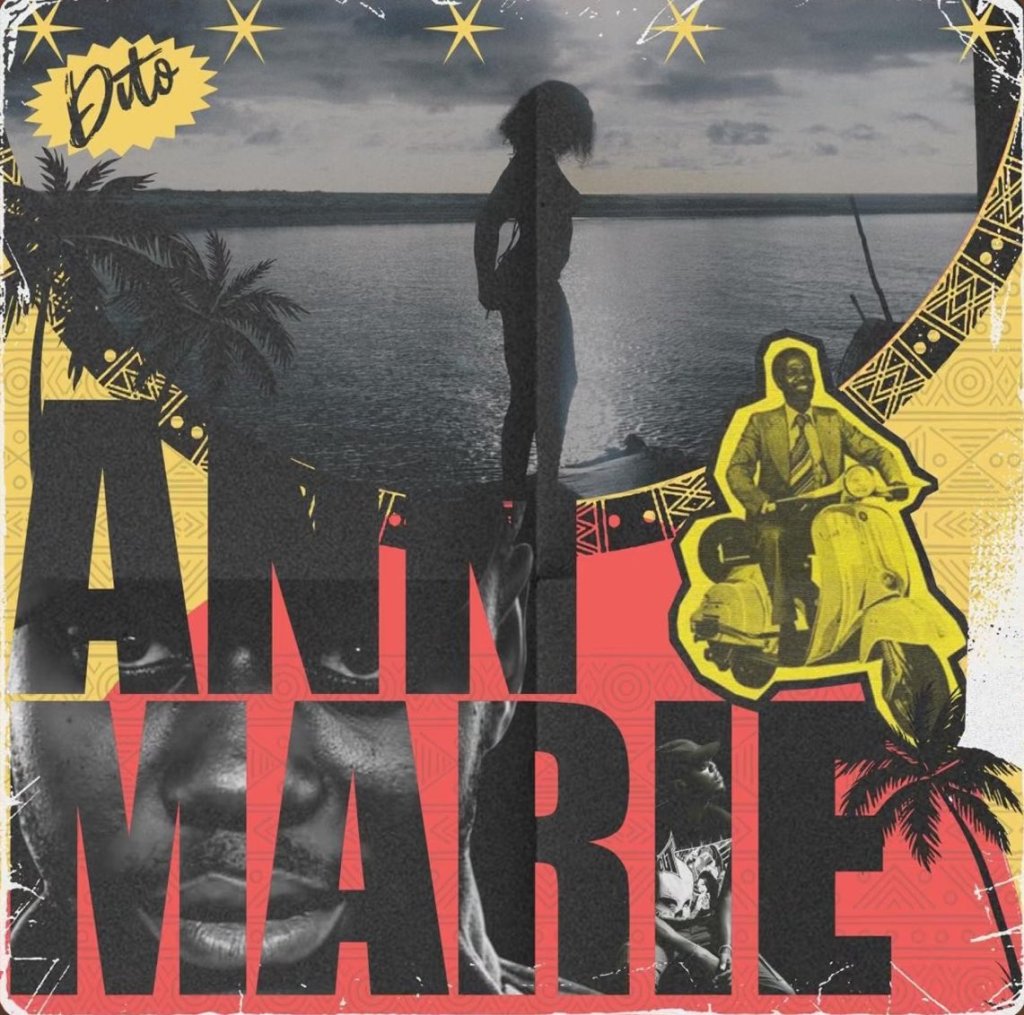
Music producer and DJ, Dito Freaky, has taken a bold step into the spotlight with his debut single, Ann Marie.
The song is a nostalgic masterpiece, cleverly sampling the iconic African hit Mario by Congolese musician Franco, popular in the 80s and 90s. Dito’s genius lies in his ability to merge the timeless essence of old-school African rumba with contemporary rhythms, creating a track that resonates across generations. “Ann Marie” is a journey through time, blending the rich musical heritage of West Africa with modern beats that are sure to get everyone dancing.
Next up is Tar1k, whose single Alima has captivated audiences with its genuine and emotional expression.
His delivery was so authentic that it sparked a flurry of conspiracy theories and unsolicited advice from friends and fans! In response to what inspired him to write Alima, Tar1k says he’d been thinking about creating a song about a “defined female subject”, reminiscent of older Sierra Leonean music traditions, characterised by emotional depth and vibrant energy. The result is Alima, a song that taps into a “mix of hurt, longing, ego and anger”, painting a picture that represents Sierra Leonean love songs from a bygone era.
Drawing a connection between Tar1k’s “Alima” and Dito’s “Ann Marie,” one might jest that Sierra Leonean women have been muses since the beginning of time, inspiring countless hits and heartfelt lyrics. Classics like Jimmy B’s “Khadija”, Dry Eye Crew’s “Mabinty”, Alonzo’s “Mariama”, Emmerson’s “Elizabeth”, all from the 2000s, further prove how the charm and mystique of Sierra Leonean women continue to inspire and shape the nation’s music scene. Keep up the good work ladies!
Speaking of Emmerson, he has once again proven why he is the GOAT! Emmerson performed his most recent single Strawberries on Ice, featuring Nigerian megastar Davido, at a pre-event showcase for the 2024 BET Awards in Los Angeles, USA. His collaboration with Davido and another song, Stick to the Plan, with American artists Lola Brooke and Howard Hewett, signify his foray into the broader African market and world stage. Emmerson’s journey is a testament to his relentless dedication and talent, making Sierra Leone proud with every note.
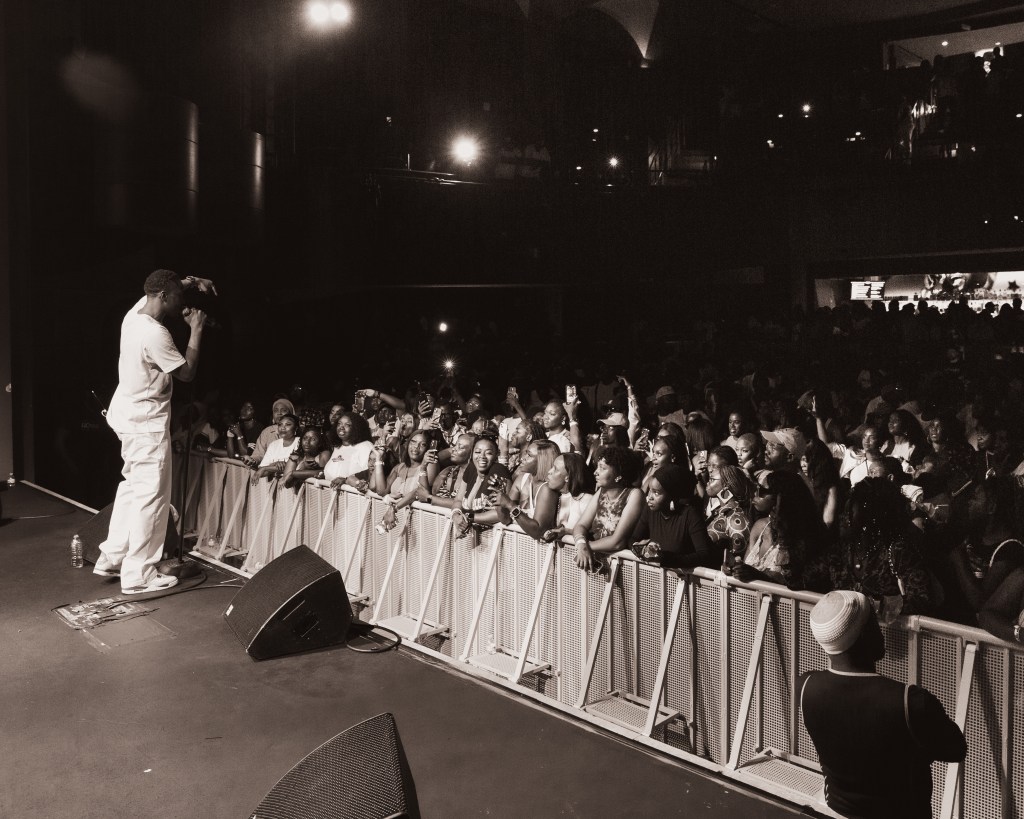
Adding to the list of historic achievements is Drizilik, who has become the first Sierra Leonean artist to host a live music concert at the iconic Howard Theatre in the US. Drizilik headlined a star-studded lineup of emerging talent and household names in the Sierra Leone music industry, accompanied by the Freetown Uncut Band. Hundreds of Afrobeats and hip-hop lovers from Washington DC, Maryland, Virginia, and beyond came out to celebrate Sierra Leone’s best musicians from Freetown and the DMV. This milestone is not just a personal triumph but a defining moment for Sierra Leonean music, signalling our growing influence and reach in the global music arena.
The music scene in Sierra Leone is rapidly evolving, fostering a growing community of creatives and expanding spaces where artists can collaborate and perform. Artists now have greater opportunities to produce high-quality music and reach wider audiences through digital platforms. However, as the industry grows, creating an environment where artists can refine their talent and skills, and navigate the complexities of the music business will be crucial for sustained success.
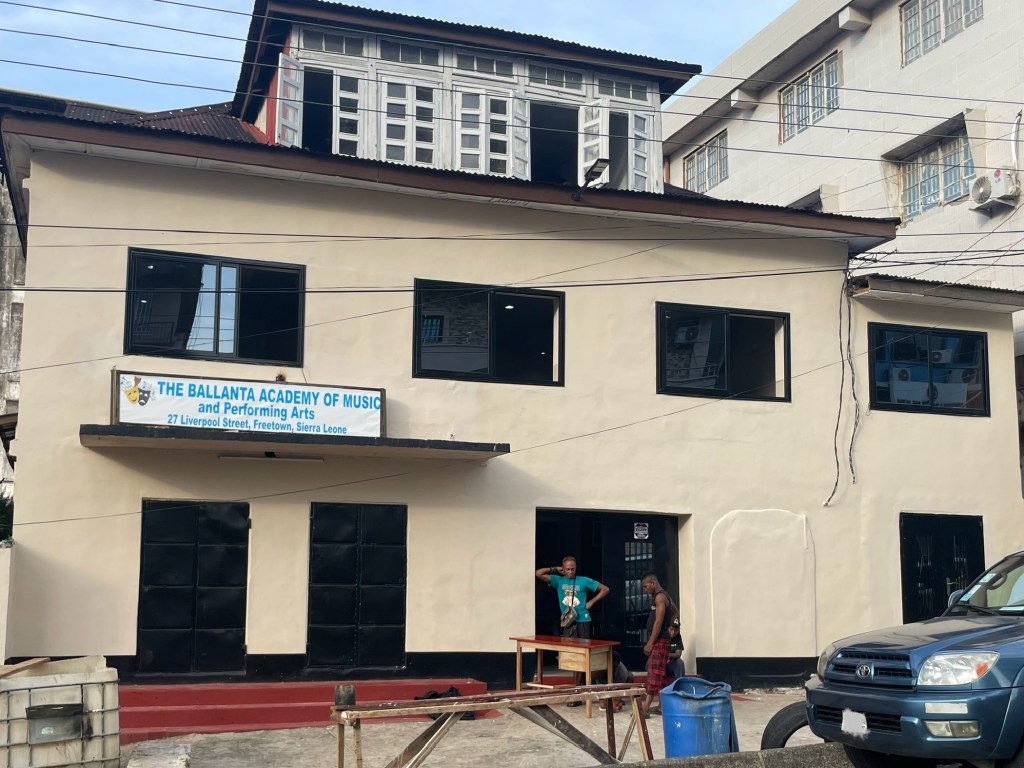
In this evolving landscape, the refurbishment of the Ballanta Academy of Music and Performing Arts comes at the right time. Established in 1995, Ballanta Academy is the oldest music learning institution in the country, and it has recently reopened its doors to the public with exciting new developments. New courses aimed at enhancing professional development in music, dance, theatre arts, and film production will soon be available, providing a solid foundation for aspiring artists.
The past weeks have indeed held golden moments for Sierra Leone music. As artists continue to break new ground and push boundaries, they inspire a new generation of musicians to dream bigger and reach higher. We can absolutely look forward to an era of growth and opportunity for musicians and a thriving future for Sierra Leone’s entertainment industry.
“The New Face of Salone” is a film that tracks Sierra Leone’s and Africa’s youngest cabinet in their first week in Office, introducing key members: the youngest being the Minister of Communications, Innovation and Technology, Salima Bah (32); the Chief Minister, David Sengeh (36); the Deputy Minister of Health, Dr Jalikatu Mustapha; the Minister of Technical and Higher Education, Dr Ramatulai Wurie; the Minister for Foreign Affairs and International Development, Timothy Kabba; the Minister for Agriculture and Food Security, Henry Kpaka; and the Minister for Information and Civic Education, Chernor Bah — all under 40.
The film contextualises this cabinet within the broader African landscape, highlighting the significance of the ministers’ success not only for Sierra Leone but for youth leadership continent-wide. It also humanises governance by portraying the ministers’ emotional journey as they grapple with their new responsibilities.
At the film screening on Friday evening, I recalled some questions that came to mind when the cabinet was initially announced: Are these young people being set up to fail? Will they bring a different style to governance from what we know? Will their qualifications and competencies change governance in Sierra Leone and overcome decades of political problems, corruption and stunted growth?
Well, about seven months or so have passed since the cabinet’s formation and little change is evident. Transparency and accountability are still quite lacking amongst many other things, while the basic needs of the people continue to go unmet. Political allegiance often overrides logic and honesty, hindering the ability to give and take constructive criticism, dialogue, and compromise.
Citizens’ “blind support” worsens the situation, challenging my previous belief that it was primarily the older generation who were entrenched in their ways, unwilling to transcend party lines. Having witnessed similar patterns of blind loyalty among peers, I’ve come to realise this issue transcends generational divides, levels of literacy, education, exposure, and many other societal factors.
I can acknowledge nonetheless that fanatical devotion to political parties is quite deeply ingrained in our body politic and will not change overnight. Despite their youth and vigour, I know the young cabinet cannot single-handedly overturn entrenched issues. However, they can certainly lead by example if they prioritise transparency, accountability, and integrity in their actions and decisions. By demonstrating a willingness to challenge the status quo rather than support partisan agendas, they can begin to address the systemic challenges, set a precedent for responsible leadership and work towards meaningful reforms.
“We will deliver”, Chief Minister David Sengeh’s mantra echoes persistently throughout the film. But amidst this assurance lies a shadow of public scepticism. Will this government truly fulfil the needs of the people as promised? “How can you be so confident you will deliver…?” queried a young boy from the audience, directing his question to the panel of ministers who sat on stage for a Q&A session after the screening.
In my view, if this young cabinet falls short of delivering tangible results, it should at least emphasise to us the reality that as young people, we are also accountable for the direction Sierra Leone takes. The film portrays this fact glaringly by presenting this cabinet as a profound opportunity for young people to step into the leadership roles we have longed for and shape the future of our nations. Whether serving as appointed leaders or as citizens we share a collective responsibility. Therefore, we must reflect on our actions and intentions.
As young leaders, are we genuinely serving the nation or prioritising our political ambitions? Are we placing the needs of the people above all else? How do we reconcile party loyalty with the principles of transparency, accountability, and integrity? Are we setting a positive example or perpetuating the same old political narratives? As young citizens, are we consistently advocating for transparency and accountability across the board, or only when convenient, such as when it does not involve our friends and family? Does our political allegiance cloud our judgement when prioritising Sierra Leone’s interests? How can we ensure we speak truth to power, even when it is uncomfortable or risky? What role can we play in supporting our leaders (friends & family) while also holding them accountable to their promises?
Although this film provides a compelling view of young leadership it somewhat also presents a sanitised view of governance. This is understandable, considering it only captures the first few days at the beginning of the ministers’ term in office. Additionally, I can appreciate that spotlighting the positives amidst Africa’s prevailing narratives of conflict and corruption reflect the editorial stance of The African Perspective (TAP), the film’s production company.
Overall, “The New Face of Salone” offers a fresh exploration of youth leadership, urging us to engage critically, act with integrity, and strive for a better tomorrow, together. If you are a sceptic like me, you might wonder whether the contributions in the film are indeed a genuine attempt to inspire proactive citizenship or a form of persuasion to cultivate empathy towards the government. I think whatever the intent, the fact remains: there are inherent collective responsibilities in governance, and we all have a stake. So, how can we leverage this understanding to drive meaningful change?
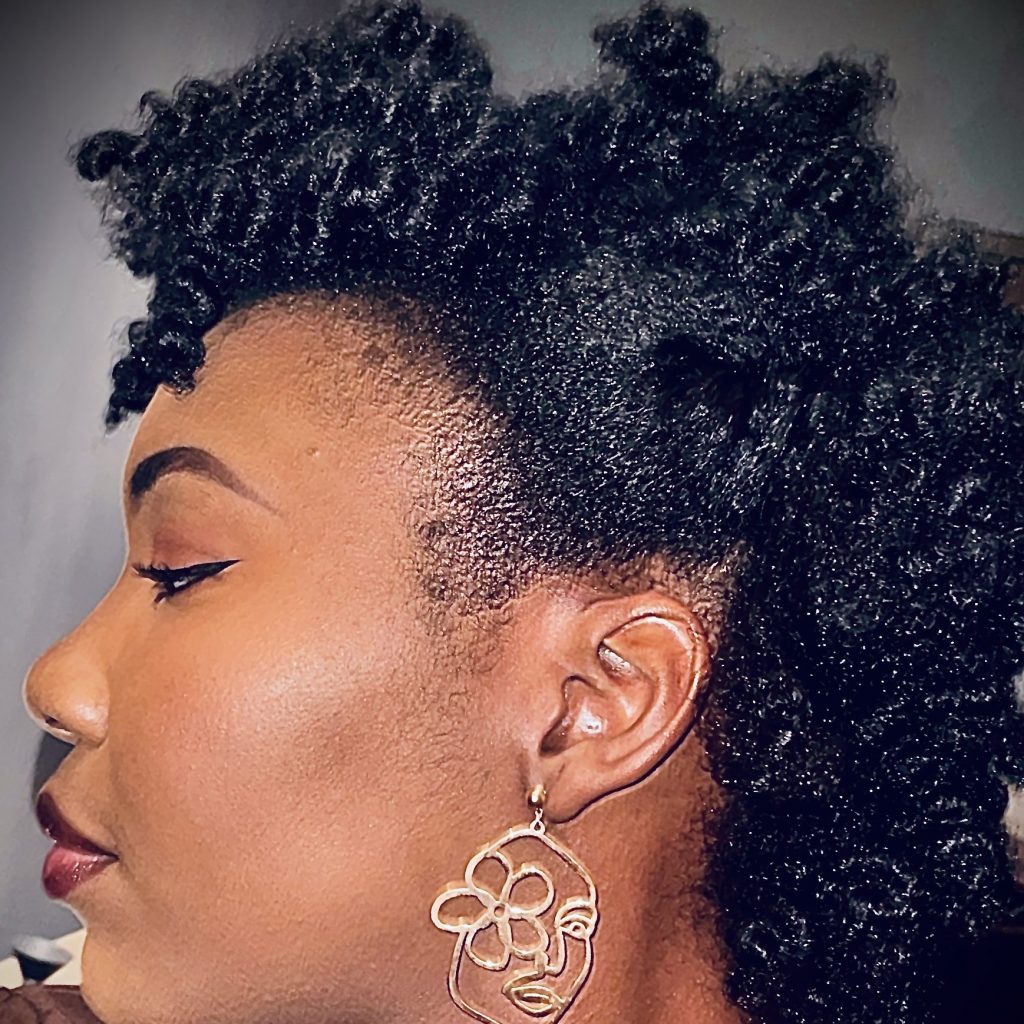
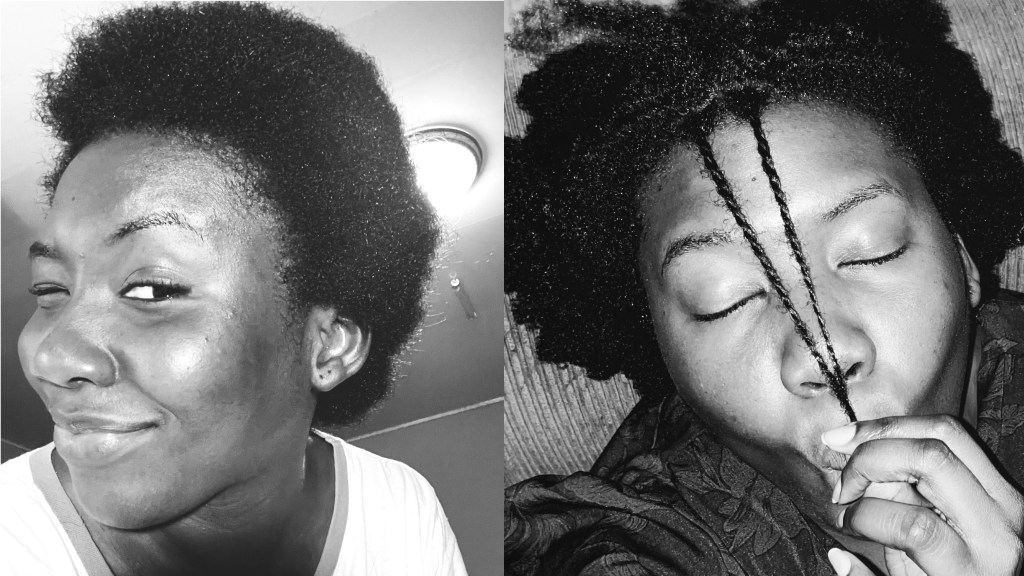
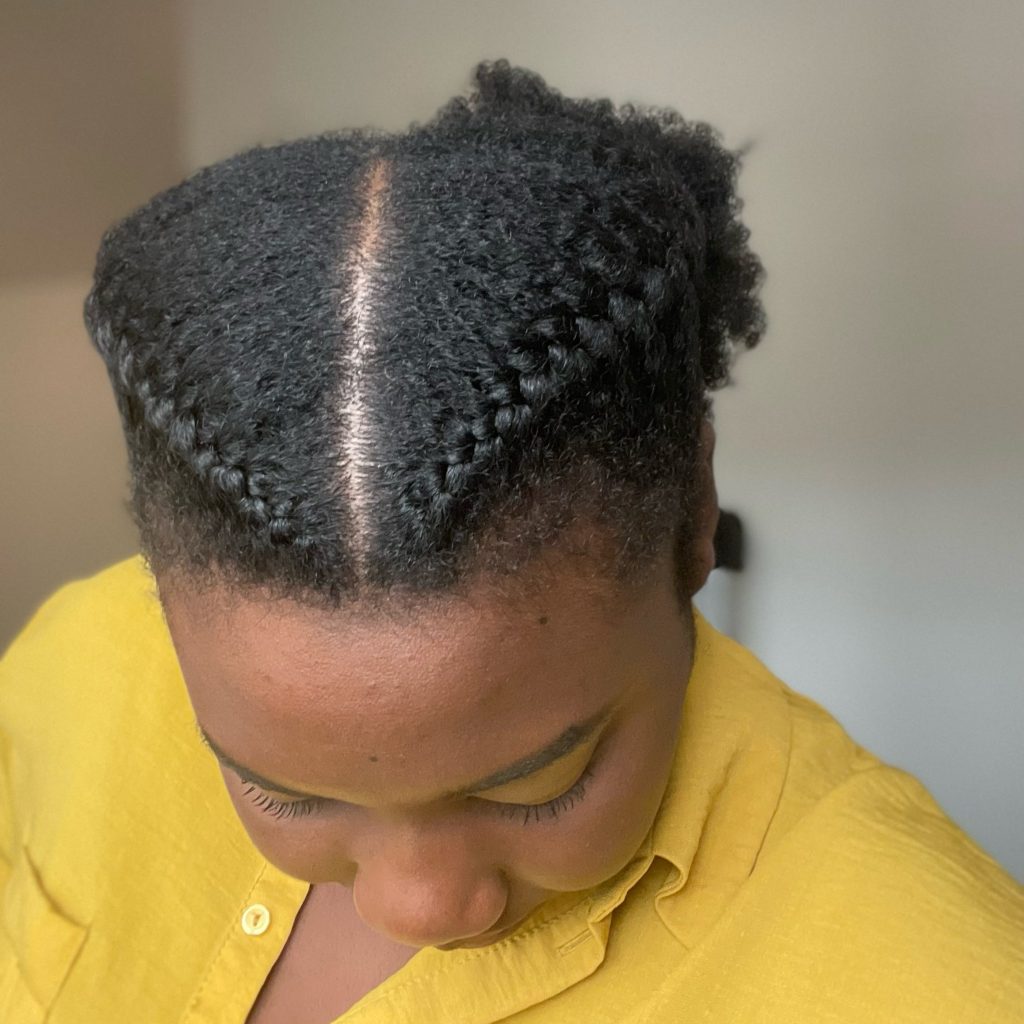
I am ten (10) months post big chop today! I cut my hair on 5th January this year and I have really enjoyed getting to know and caring for my hair over this time. My first relaxer was at age 9 and before that, I did not care for my hair myself so I never really experienced it in its unaltered form. This is the first time in 18 years I am experiencing my hair’s real texture in all its glory and I am loving it. Having had relaxed hair for almost two decades I had some presumptions about the changes I would need to make once I transitioned. So here are five (5) things I thought would change when I stopped relaxing my hair:
1.I thought my hair care routine would change completely.It hasn’t.
Taken on 29/10/22
When my hair was relaxed, I washed and treated it myself 90% of the time if not more. I had assumed that once I stopped using relaxers I would struggle with getting used to the new length and texture, and would need to go to a salon for help more often. But I did not. In fact, I am very surprised to see that my wash days now are not longer nor more hectic than they were when my hair was relaxed. Maybe with more length this will change, but for now I have no trouble washing and treating my hair myself.
2. I thoughtI would change all products I used while relaxed. I didn’t need to.
Taken on 28/9/22
While my hair was relaxed I really had no limits for what products I used. I simply stuck with the ones I felt my hair loved; many of them were labelled “for textured hair” or some other nomenclature but that did not deter me from trying them. So in retrospect, I don’t even know why I thought I would need to change all my products. Most of what I use now are products I used while my hair was relaxed and they work just fine. I have always used whatever my hair loves regardless of labels, I still do.
3. I thought I would wear my hair out less.I don’t.
Taken on 27/8/22
While my hair was relaxed, I could style and wear it out easily. I loved a sleek bun; high, low, middle part, side part – it was just a clean and simple to achieve look. So using extensions for protective and other hairstyles were really a matter of choice. Knowing my hair was going to be shorter left me thinking I would not know how to style it therefore I’d hide it in wigs and other styles more. I was wrong. Of 303 days since I did the big chop I’ve worn my hair out on a total of 183 days. That’s over 60% of the time (yes, I did the math).
4. I thought I would spend more money.I haven’t
Taken on 15/7/22
There is an ongoing economic crisis in Sierra Leone which means everyone is spending more money on goods and commodities but that’s not what I mean. My preconception of caring for afro hair got me thinking I would visit the salon more, invest in a new set of products and tools and do more hairstyles with extensions. Social media made it worse; a special hair dryer, a unique “detangler” brush, a bonnet to protect edges. I really thought I would need to sell a toe or two to keep a full head of hair. But it turns out I didn’t need to. I have not used a hairdryer in months, my old brushes and tools work just fine and so does my old raggedy ɛnkincha(head scarf).
5. I thought my feelings towards my hair would change.I thought wrong.
Taken on 25/6/22
The main reason I cut my hair and stopped relaxing was simply to know my actual hair texture. In a moment of self reflection some time back, I realised my relaxed hair was all I knew, so transitioning became part of my self-awareness journey. I really loved my relaxed hair and spent a lot of time caring for and nurturing it. At some point, I thought I would never even dream of finding out what my afro hair looks like. I was used to a certain look that I knew would be challenging to achieve with an afro, especially in the beginning stages. So once I decided to stop using relaxers, I was not sure I would love my hair the same way. Fast forward to today, I can’t achieve the looks I loved while my hair was relaxed and I am learning new ways to style and nurture my afro hair but the love remains unchanged.
I am certainly not alone when I say “I have been waiting for this”.
One of Sierra Leone’s A-list artists, Drizilik is about to release another album and his fans can’t wait to hear it.
As a curtain-raiser to his second album release, the African hip-hop star gathered top fans and special guests at an exclusive listening party last weekend. Although an unexpected storm ruined plans for an outdoor event, it mattered little to the fanatically devoted where they were listening to their favourite artist, so long as they were.
From the title of the album Ashobi, one could easily conclude Drizilik chose to stick with representing Sierra Leone through his art. Well that is partially correct, because the rapper says he wanted this album to capture and represent not just Sierra Leone, but the West African sub-region. And certainly so, the more I think about it the more I see what he means by this.
First, the name “Ashobi” resonates in most West African countries though pronounced differently in some (Aso Ebi/Ashoebi in Nigeria and Ghana). The word is said to have origins in Nigeria’s Yoruba language – aso meaning cloth and ebi denoting family.
So basically, Ashobi describes an outfit, usually of the same fabric and/or style, worn by family members during grand occasions – weddings, funerals, birthdays or anniversary celebrations etc. However, in contemporary West Africa the Ashobi is not just for family members. Friends and acquaintances of a celebrant can choose to buy and put on the Ashobi.
What better way is there to merge unique cultures if not by capitalising on similar ones? That’s exactly what Drizilik has done and not just through the album title. With strategic collaborations and features, the Sierra Leonean star has comfortably captured representation of three other West African countries – Nigeria, Ghana and Cameroon. The song Said & Done for example, features Nigerian guitarist Fiokee and is produced by Altra Nova a Ghanaian who has produced for Sarkodie and Joey B to name a few. The song even has a high life feel to it and is actually the only song in the album which talks about a romantic involvement, similar to Just in case in Drizilik’s previous album Shukubly.
Drizilik also features Cameroonian star Mic Monsta in a new version of Tell, a song previously released as a single in April last year. In the pre-chorus he spits “Kongosa na osusu”, comparing gossip (also called kongosa in Cameroon, konkonsa in Ghana) to a form of microfinance capital accumulation found in parts of Africa in which everyone contributes an equal amount.
DJ Rampage at the album listening party – Photo by Eminence
Although many of the tracks on this album are produced by Nigerian and Ghanaians, Drizilik did not stray too far from his longtime ally DJ Rampage who not only co-produced some tracks, but also himself produced the title track and a few others. In fact, DJ Rampage produced what is in my opinion one of the potential hits in this album, Fana Makit; which talks about today’s youth living beyond their means, wanting the lavish life but not willing to make the sacrifice or be patient.
“Broke girls stay broke cuz they wanna act rich to impress broke boys Same way so Broke boys stay broke cuz they wanna act rich to impress broke girls Kapu sense… …Do the math wit you 5 make e multiply Do am 7, 7, tem make e turn 35 Before you quit give another try Memba say na patience de make caterpillar turn to butterfly“
Lines from Fana Makit
“Fana makit” translates to petty trading, a common form of small business enterprise in Sierra Leone. The song has a catchy refrain – “Fana makit, fana makit, nor look am bad yai wae na een fit you pokit”, meaning don’t spend more than you can afford or live a pretentious lifestyle. This song, carrying a similar theme to Dig Hole on the album, addresses the perceived eagerness of young people to own the latest of everything – smartphones, cars, fashion; when in reality they simply cannot afford it.
One could easily describe Drizilik as an afropop artist but in Big Artist he truly defines himself as a rapper and shows he has undoubtedly come into his own. The self praising tune flows in that real hip-hop style matched by a laid-back yet cocky delivery of the most ingenious expressions of who he is and his status in the entertainment industry. If you are a lover of the classic rap/hip-hop style, straight-up rhymes and beats, then this is the track you’ll have on repeat.
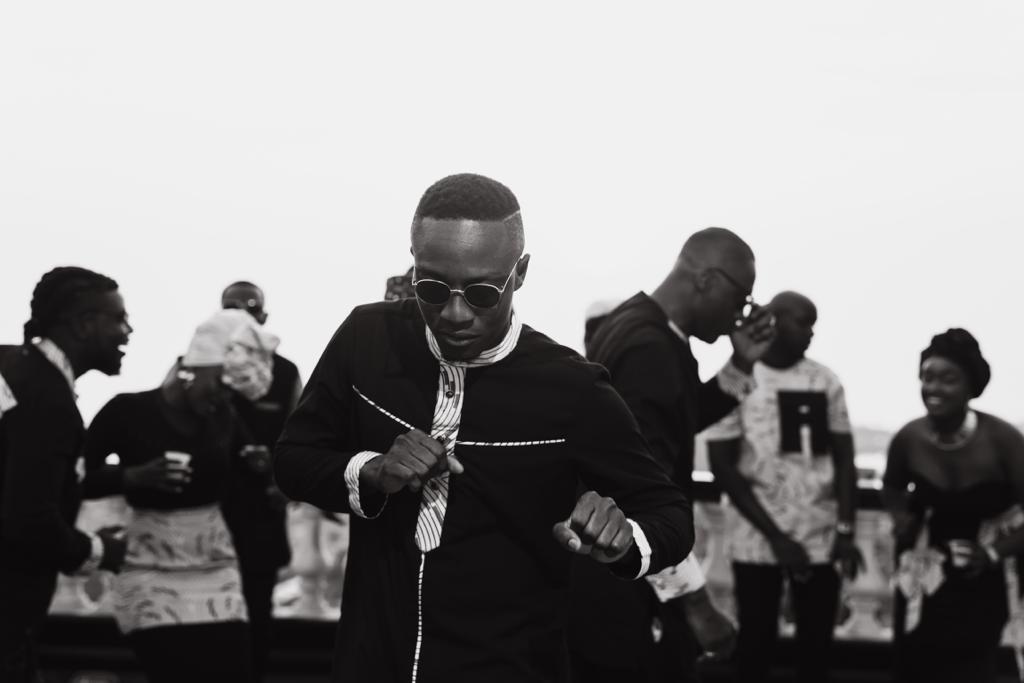
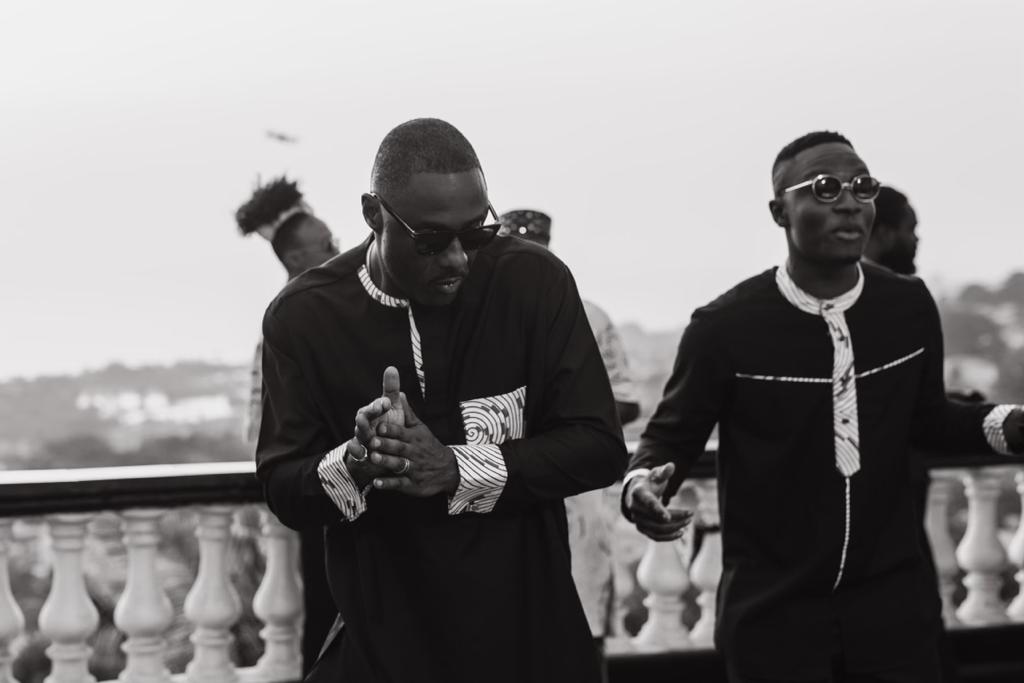
Drizilik & Idris Elba – Photo by Eminence
It’s not hard to figure that Drizilik is channelling real life experiences with people he knew, the life he had before becoming a star and the difference between then and now. Behind the catchy melodies and choruses are depictions of today’s Sierra Leone camouflaged in witty utterances and punchlines. Tracks like Bad Padi, Empty Bag (featuring MIC) and Opin Yu Yai (featuring Mimi Wood), deal with the struggles of ordinary people, some hard-working youths and the bitterness and anger they feel when life doesn’t go their way.
This album will leave you in no doubt of Drizlik’s unique and extraordinary talent and that he remains at the top of his game, constantly in competition with himself. He has maintained his formulaic style of speaking in Krio parables and idioms, telling fundamental stories about not just himself but us as a people and the society we find ourselves in.
A critique Drizilik may never get is “lacking variation”. There’s enough diversity and creativity within his writing and choice of beats/instrumentals to make the same subjects remain entertaining. This time he’s introduced to his fans a somewhat obvious but unexpected side – faith.
In songs like Exodus and Decide Drizilik alludes to his faith as a Christian and how much of a role that has played in his life journey. Exodus, produced by Nigerian legend Masterkrafthas the first video from the album and already has over 50,000 views.
“ To December thirty, from the first of the first Getting money is the cause of the cause Ah tell dem my God is the source of the sauce So r nor go stress, because… Dem go only love you wae you high at the peak Dem nor know say you build from the ground up If you know you worked too hard to be treated like shit Act like you’ve got som’n to be proud of ”
Lines from Exodus
The two faith inspired songs and two others on the album; Popular featuring Ramoni and Hype which was produced by Sierra Leonean Bonx, have a subtle grimy feel, very “modern hip-hop” sounding tunes. You may know Bonx from his previous work with one time music star Rhage on Undecided and Closing the Distance, and Shadow Boxxer, D’banj and Idris Elba on the song Confidential. He describes Hype as carrying afro hip-hop drums laced with Sierra Leonean samples.
Ashobi track list
Ashobi is bookended by two strong tracks: Ashobi the title track featuring the multi-talented Idris Elba and Awujor featuring Blessing, an up and coming artist signed to Eminence Africa and the legendary Emmerson Bockarie who Drizilik confesses has served as an inspiration for his art. The two are all-round “enjoyment” tunes apt for any awujo; a feast or social gathering, and are seemingly influenced by Sierra Leone music pioneers Dr Oloh and Ebenezer Calendar, carrying a fusion of the Gumbe, Maringa and Palm Wine music – all authentic Sierra Leonean genres.
I think of the album as a full circle, because one place you may definitely see the Ashobi (title track) is at an Awujo (the closing track). Suffice it to say from Shukubly to Ashobi, Drizilik is nothing short of greatness and he has proven that time and time again.
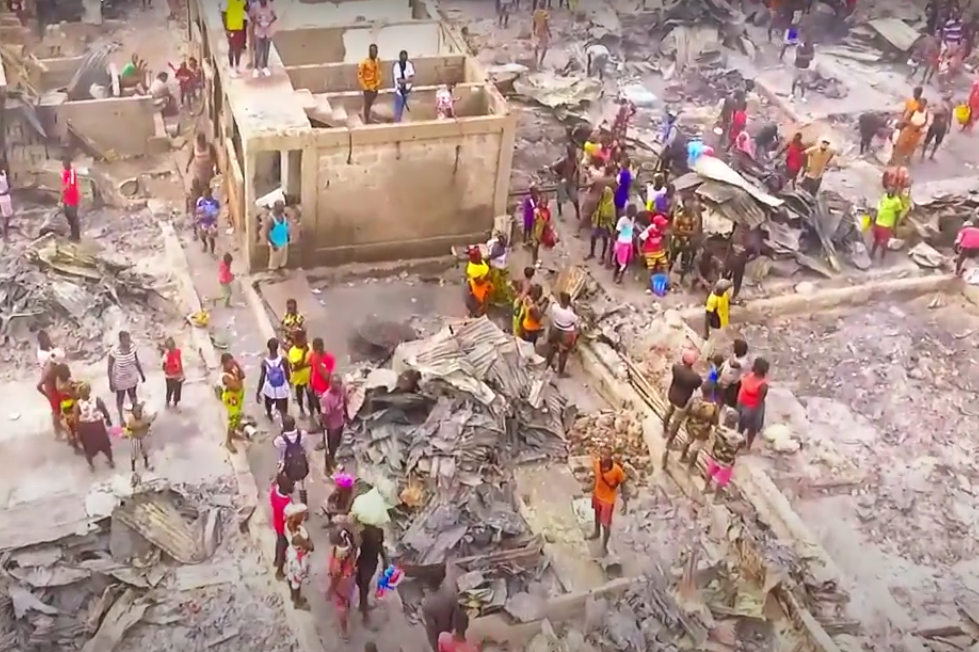
A fierce fire in Susan’s Bay, Freetown, which started at about 6pm on Wednesday, 24 March highlights the insecurity of residents in Sierra Leone’s informal settlements. No death was reported but the entire community was burnt to ashes.
Susan’s Bay is one of Freetown’s largest informal settlements with over 2000 residents. People live in overcrowded and unsanitary conditions along the coast, with little access to proper water supply and sanitation services.
The recent fire caused a massive destruction of livelihoods, houses and properties and left hundreds displaced.
The National Fire Force tried to put out the fire but the lack of access roads prevented fire engines from reaching the community in time to limit the damage, leaving it to burn for over seven hours.
The Mayor of Freetown Yvonne Aki-Sawyerr posted a statement saying “Once again, there was no access for the fire service. A six-storey building under construction . . . blocked what access there previously would have been.”
“Disaster risk reduction cannot happen without effective urban planning and a building permit regime which is focused on reducing environmental and man-made risks,” she added.
The National Fire force chief says it was extremely challenging to reach the disaster area. Nazir Kamanda Bongay says this is an opportunity to rebuild a better community there. Affected residents are still waiting for a word on what their fate will be.
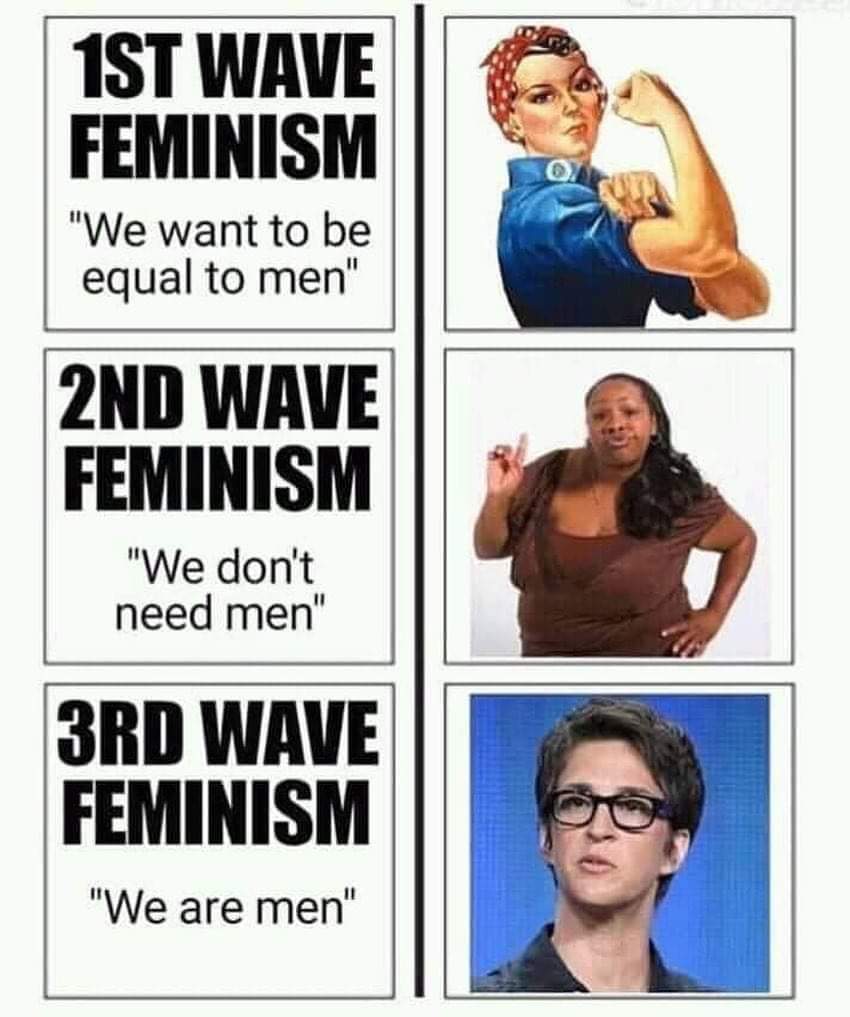
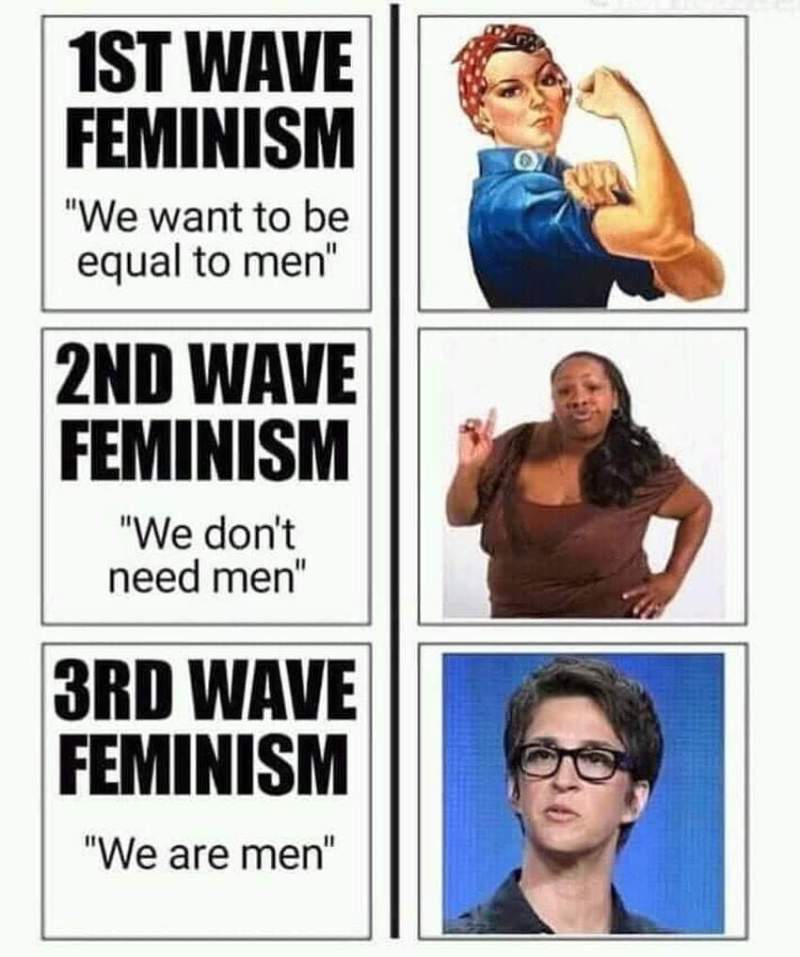
A brother sent me the photo above and said these are misconceptions of feminism.
I do agree that people have different ideas about what feminism is and the term can mean very different things to different people – to which one might agree or disagree depending on their individual beliefs and values.
However I would not go as far as to call those ideas/meanings misconceptions and here is why – with specific reference to the points in the photo above
What is Feminism and what is not?
To put it simply I would say feminism is a movement to establish equaleconomic, social, political rights for women as there are for men. There is a variety of definitions – equality of the sexes, equal opportunities for women, etc. All of them highlighting EQUAL. So what does this mean – in reference to the “misconceptions” in the photo?
“Misconception” 1: Women want to be equal to men
This begs the question, “Are women unequal to men?” I believe – as stated before, feminism at its core is about equality of men and women. Many people perceive it to be about “sameness”, a completely different argument altogether. But because of this, many people argue that women are not the “same” as men so there cannot be equality. In other words, because their bodies are different (women are deemed “weaker” and smaller), and because they have different physical capabilities, equality is not possible. It’s critical to understand that “sameness” in this case does not mean “equal.”
The issue here is about equal rights and equal access to opportunities. Men and women do not have to be the “same” in physicality in order to be seen as equals. And here’s an example of why: If two young boys were in the same class – one weaker and smaller than the other, would we believe it is right to deprive the weaker, smaller boy equal access – to the teacher, to learning, to computers, to the books and class resources, just because he didn’t have the same physical strength as the other boy?
The fact is there are many women who are physically stronger and larger than men so sometimes gender has nothing to do with. When given the same opportunities women can be equally great and in some cases greater than men, the same way some men are greater in certain things and not so great in others. So perhaps the misconception lies not with women wanting to be EQUAL to men, rather it is with people in general considering equality to mean SAMENESS in physicality.
“Misconception” 2: We don’t need men
Do men NEED women? If so, what for? And should those reasons be any different from why women should NEED men? And if not, then why must women NEED men? This idea as I understand it comes from the level of dependence women have been forced to exhibit when deprived of equal opportunity.
In Saudi Arabia for instance, all women must have a male guardian – a father, brother, husband or uncle. Girls and women are forbidden from travelling, conducting official business, or undergoing certain medical procedures without permission from their male guardians (after intense activism, the law has partially amended to exclude women over 21 years old from having a male guardian etc). Although women are now able to drive, women are still requiredto have men swear for them in a court of law. To buy or sell property, women must bring two men as witnesses to testify to her identity, and four male witnesses to testify that the first two are credible witnesses. So that’s six men. I hope you see where I am going with this.
In some other cultures women are not allowed to move out of their parents’ house until they are married, they cannot rent an apartment or a house simply because they are single women. So these societies have created no other option for women but to be dependent on men to survive, to thrive – socially, financially, etc. And that is where the “We don’t need men” idea comes from – a way to say if women were given equal opportunities as men – allowed to work and earn their own, given the same social respect and access to professional status, women would not “NEED” men.
I lay an emphasis on need because that word alone indicates the sentiments behind the opinion. The word “need” implies “requirement – an essential – a necessity” like plants NEED sunlight and water or they have no chance of survival, humans NEED oxygen or we die – an obligation rather than a desire/preference/a choice made on one’s own volition. I doubt that is the case for women and men. Safe to say, indeed, we don’t NEED men to survive.
“Misconception” 3: We are men
I have very little to say about this one as I believe feminism has very little to do with it. It is more biological than ideological. A woman who refers to herself as a man is maybe more than just a feminst that is if in fact she is a feminist at all – because this claim is contrary to the idea of feminism, which advocates FOR women’s rights – not men’s. So is this person advocating for men’s rights? I could say maybe this person is a misandrist but if she hates men why would she want to be a man?? In any case, “man” is a general term for both sexes so if that is what is meant by “we are men”, I understand. But maybe someone can explain this one further because I don’t quite see the feminism in it.















 Antonia Howard