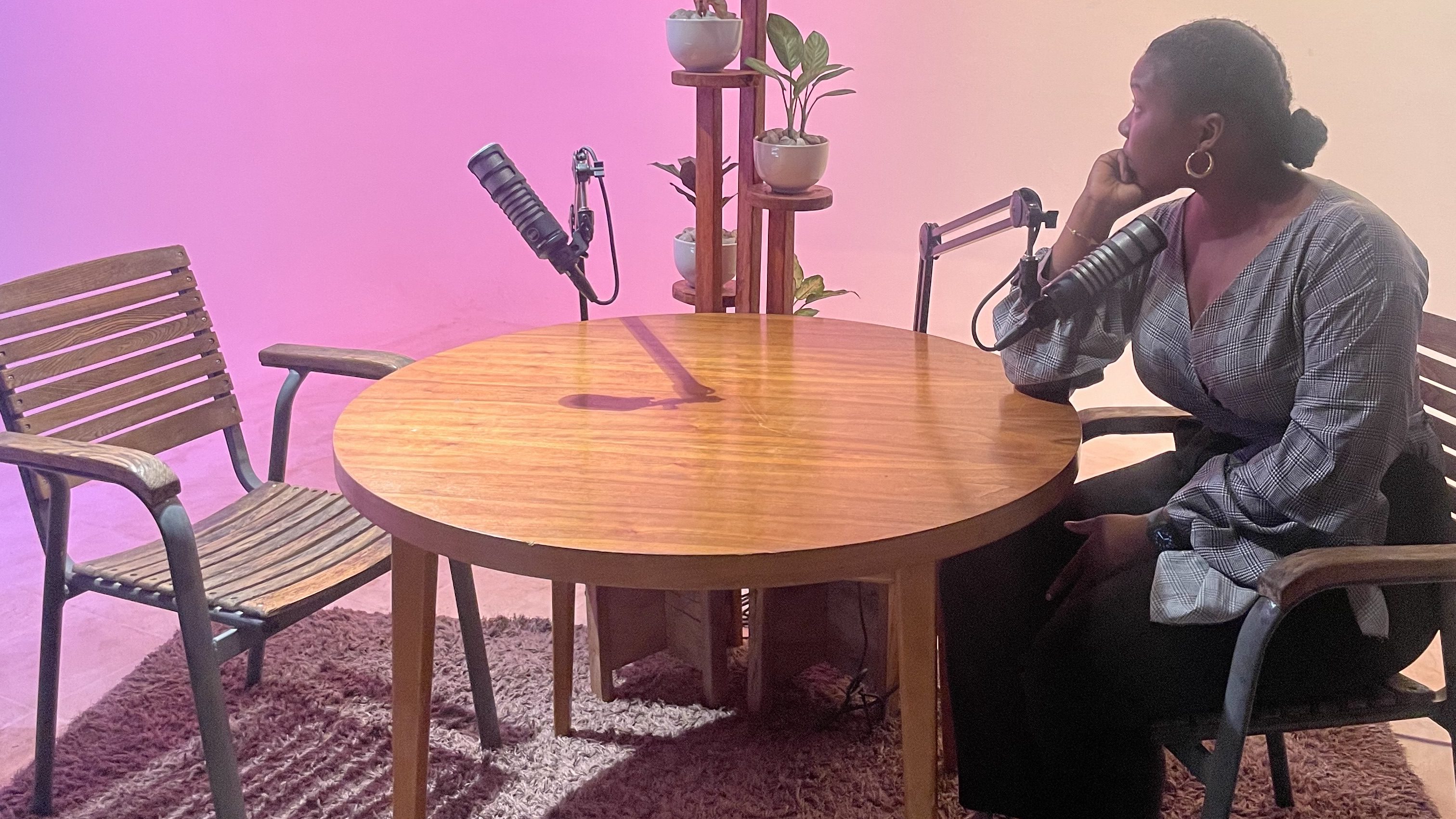
When I pressed “record” on the very first episode of Honestly Speaking with Antonia Howard, I only knew that Sierra Leone needed more spaces for honest, unfiltered dialogue; conversations that cut through noise and held a mirror to who we are as a people.
Twenty episodes later, I find myself pausing to reflect. Each conversation, whether on our collective mindset, the state of education, the role of social media, or the values we’ve lost and must recover, has reminded me that storytelling is not just about recording voices. It is about creating a space where those voices can challenge, affirm, and sometimes even unsettle us.
I’ve spoken with entrepreneurs, educators, historians, activists, strategists, artists and many more. What stands out most is how deeply people want to talk about the issues. At a time when misinformation and division dominate the public sphere, Honestly Speaking has become a consistent, principled space for honest engagement.
Personally, I’ve learned that listening itself is an act of nation-building. Hosting Honestly Speaking has sharpened my courage and reinforced my belief that progress begins when we confront uncomfortable truths together.
But this podcast isn’t just about my personal journey. It’s also about a generation asking: who are we, and who do we want to become? The conversations are Sierra Leonean at heart, yet they echo struggles and aspirations familiar across Africa and the wider world.
Looking ahead, I see Honestly Speaking growing into more than just a podcast. It is becoming a platform: a space for deeper storytelling, more diverse voices, and conversations that don’t end when the episode does, but spill over into homes, classrooms, and even policy debates.
Twenty episodes is just the beginning. The real work and the real promise lies in the conversations yet to come.
So here is my invitation: keep listening, keep sharing, and keep asking deep questions. Support independent voices. Amplify conversations that matter. Challenge leaders, but also challenge yourselves. Because the Sierra Leone we want will only be built if we have the courage to speak honestly about the one we have today.
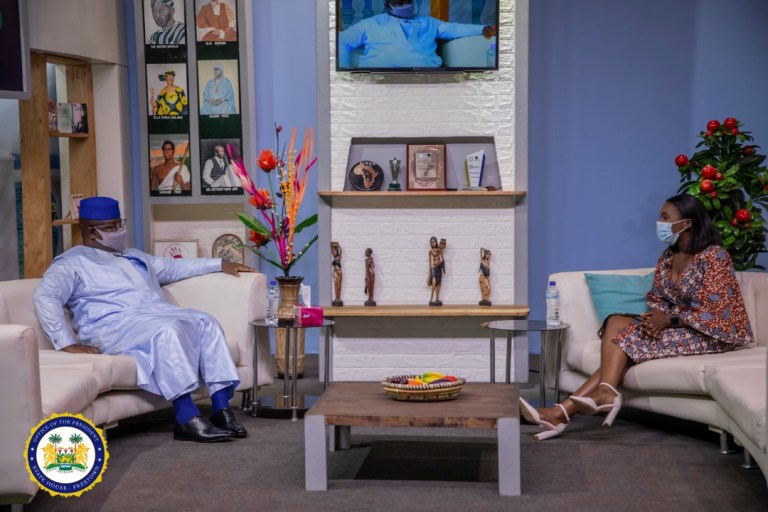
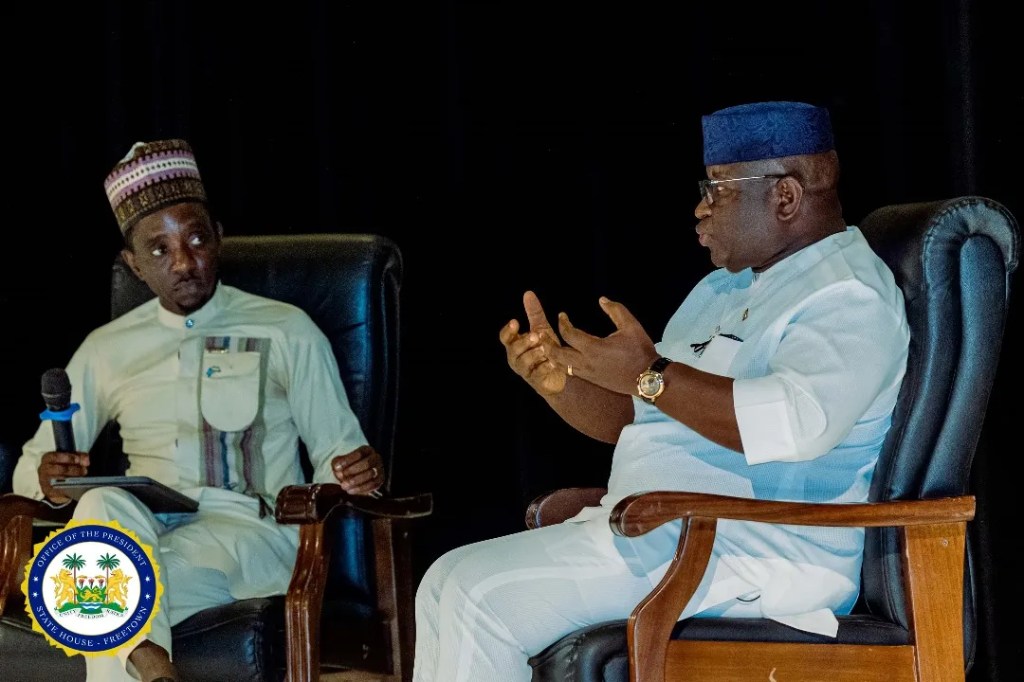
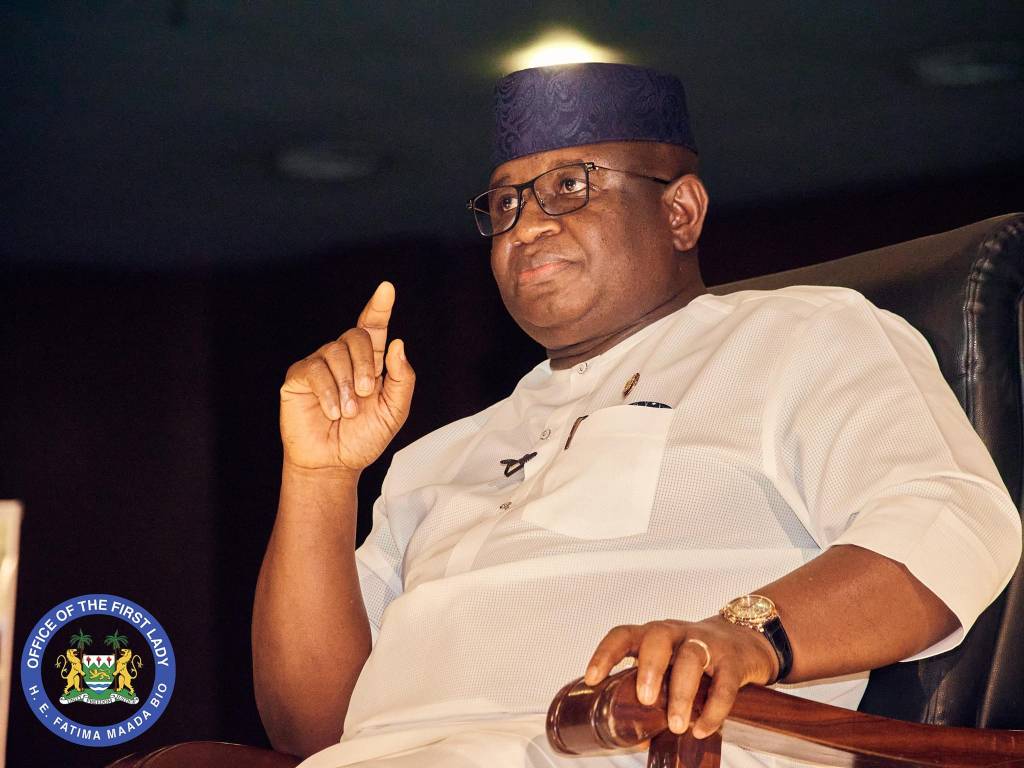
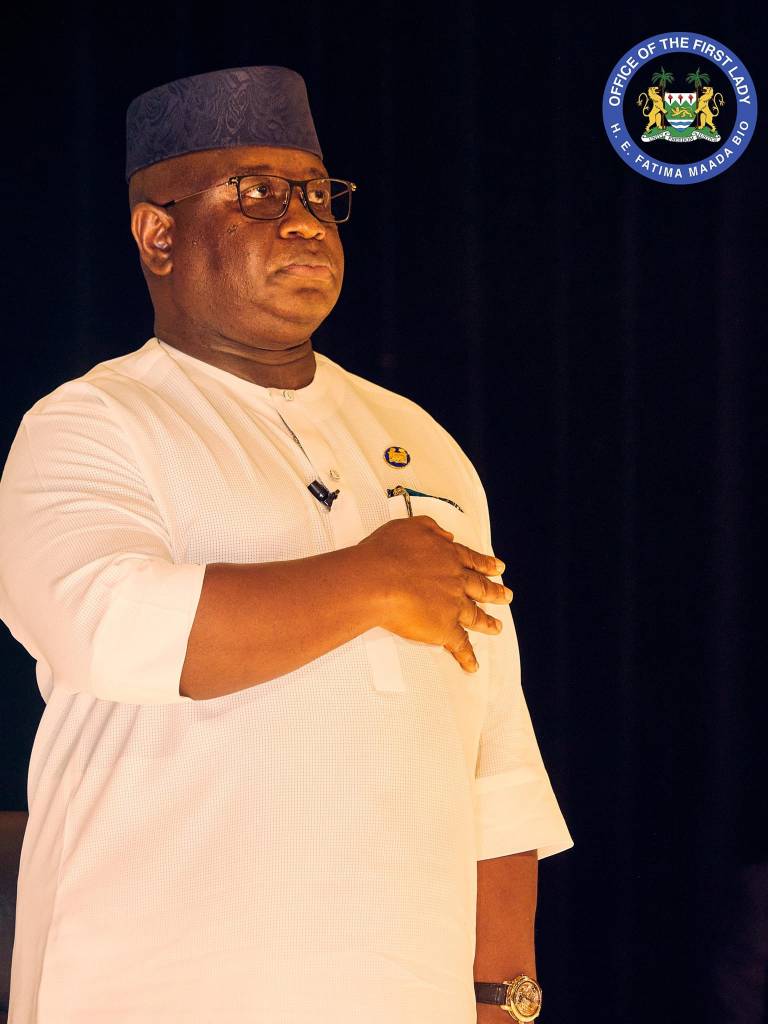
Back in April 2021, three years after he was first declared President, I had the chance to interview President Bio. Now, a year after the June 2023 elections, it’s heartening to see that it didn’t take him too long this time to engage directly with the people.
President Bio at AYV TV studios in 2021President Bio at the National Town Hall with Information Minister Chernor Bah
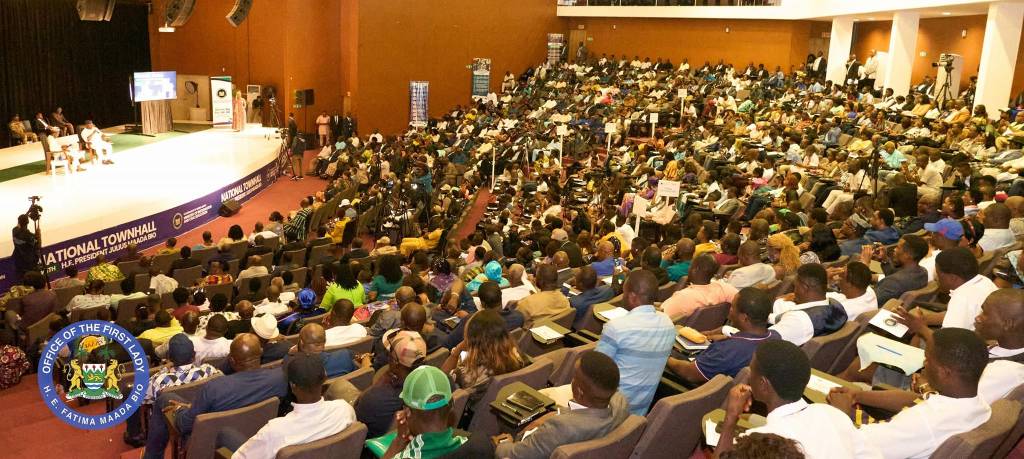
This recent town hall was a moment of transparency and dialogue that many have been waiting for. Citizens were asked to send their questions in advance via text or through a web link. The event was grand, broadcast by TV and radio networks across the country. According to the Ministry of Information, over a thousand people sent requests to attend and over 870 people sent in questions which were grouped under key government initiatives the President would respond to. These include the Feed Salone project, human capital development, youth empowerment and employment, public service architecture, and infrastructure development; under the theme the “Big 5 Game Changers.”
The town hall showcased a blend of positive strides, areas needing improvement, and missed opportunities. It was a platform where the President’s engagement with the public felt genuine, yet it also highlighted some critical areas where this administration could do better.
Speaking in Krio One of the most outstanding aspects of the town hall was President Bio’s decision to speak in Krio. It made the event feel Sierra Leone-owned, reaching Sierra Leoneans from all walks of life. Speaking in Krio ensured the message was accessible to everyone and was a powerful reminder that government communication can and should resonate with the everyday experiences of all citizens. The President tagged the town hall “fambul talk,” which I felt was apt. There was a warmer approach to this conversation unlike any other I had seen President Bio engage in.
Addressing Environmental Challenges The compassionate approach to the recent heavy rains and their devastating impact was another standout moment. President Bio sympathised with those affected by floods and discussed government efforts to mitigate and respond to environmental disasters. He also highlighted the importance of protecting our environment, acknowledging that citizens, including public officials, often build in illegal zones and block waterways. His call to action for citizens to prevent flooding and landslides was timely and necessary.
Tackling Drug Abuse The focus on drug abuse, particularly the synthetic drug “kush,” was also crucial. He talked about the establishment of a task force to combat drug abuse, coupled with the promise of stringent action against dealers. He seemed to show a serious commitment to addressing this growing problem. Although I felt his approach to addiction was somewhat insensitive, his appeal for community involvement in exposing drug dealers reflects a needed collective effort to tackle this issue.
Agriculture: A Path to Prosperity President Bio was particularly passionate about agriculture, emphasising its potential to ensure food security and provide employment for young people. He highlighted that farming is not just about making rice affordable but also about expanding the economy and improving the living conditions of citizens. The Feed Salone project aims to tackle malnutrition while helping the country earn foreign currency to stimulate economic growth. He also acknowledged the government’s role in making farming profitable and appealing and encouraged young people to consider agriculture as a business. Leading by example, President Bio talked about his own farm, showcasing his commitment to this vital sector.
FGM: A Harmful Practice An inquiry on this from a member of the audience who had sent in her question brought up the sensitive issue of FGM. President Bio was not shy to admit that some cultural practices are outdated. I appreciate his honesty in naming FGM as a practice that is harmful and endangers lives. He challenged the idea of activists and the international community giving sanctions and interfering with the cultures of other states. He made his stance clear as a pro-choice advocate, emphasising his priority to protect children through stringent laws and effective enforcement while allowing adults the right to choose, hoping the practice will phase out naturally.
That being said, I did find it a bit contradictory that the President initially said that although the issue is politicised and he is at the pinnacle of politics, he doesn’t play politics with lives. Yet, he ended with a caution that if we approach the issue differently—referring to calls for a total ban on FGM —”maybe we will not be here even before the next elections.”
There were many other topics President Bio addressed that were fascinating to hear his perspective on. He spoke passionately about infrastructure, claiming it should be his legacy given the number of roads and bridges his administration has constructed. On electricity supply, he candidly called out corruption within the Electricity Distribution and Supply Authority (EDSA) and among citizens. Bio also talked about the mining sector, the Millennium Challenge Corporation funds, Sierra Leone’s position at the UN security council and other governance issues. He seemed transparent and very comfortable expressing himself. While the overall engagement was commendable, there were notable areas where the event fell short of its potential.
Inclusivity and Representation The process of capturing questions for the town hall highlighted an area of concern. With a population exceeding seven million and over three million registered voters, the 870 questions or so received is actually disproportionately low. The question submission process also meant that only people who were literate, had a phone or computer, and access to the internet could send questions. This discrepancy points to the lack of inclusiveness and limited accessibility, especially considering the country’s low literacy rate and limited internet access. Additionally, the Q&A session was only open to those who had submitted questions via the link or toll-free line, totalling only five, which made it seem less transparent.
Women as an Afterthought It seemed as though the President overlooked women as a vital constituency for a significant portion of the event. It took him over 90 minutes to outrightly acknowledge women, missing an opportunity to show that the government truly values equality. His attention turned to women in the middle of a response to a question about the UN Security Council. He stated that Sierra Leone is the freest country for women and that it cares for women more than anyone else, highlighting the laws in place. He also claimed that Sierra Leone is regarded as a champion for gender and women’s empowerment. These statements were soon put to the test.
The Elephant in the Room There was a member of the audience who wanted to ask a question despite not being part of the selected few given the opportunity to do so. She was quickly surrounded by a group of men who were trying to stop her from speaking out. She was intimidated by the audience and scolded publicly for breaking the rules. Fortunately, on the President’s instruction, she was handed a mic to ask her question.
While I applaud President Bio for his decision to let her speak, I do think he missed an opportunity to address two critical issues presented by this incident.
Overzealous Supporters & Response to Dissenting Views Leaders sometimes fail to call out their supporters when they are wrong, and this incident was a perfect example. While the President was willing to let the woman ask a question, he could have equally corrected the response and behaviour of fellow citizens. Those who tried to silence her, even after she was granted permission to speak, were not reprimanded and this behaviour went unchecked. This was a good chance for President Bio to promote a culture of respectful discourse and tolerance that he completely missed, perhaps distracted by all the needless commotion over something so fundamental to a democracy.
Democracy has rules, agreed. Sometimes, however, a radical approach is necessary to get leaders to listen. Protests in Kenya recently, where thousands stormed Parliament to contest a finance bill, show that citizens will go to great lengths to have their voices heard. While some may describe the actions of protesters as “impolite,” it is their way of demanding their rights. Luckily for us, the woman at the town hall simply wanted to ask a question.
National Cohesion Another missed opportunity was the President’s approach to promoting national cohesion. While he condemned hate speech and generally called for peace and unity, his rhetoric occasionally reflected an “us vs. them” outlook. His jokes about the opposition’s call for re-election, while perhaps intended to lighten the mood, truly detracted from the seriousness of promoting national unity.
Overall, the national town hall was a step in the right direction. The event was well organised and on the whole, successfully executed. The President’s sense of humour and charisma really shone through, making his performance endearing and enjoyable. The launch of the magazine titled One Year into the Big 5 added a meaningful touch, providing a detailed look at the administration’s achievements and ongoing efforts.
Ultimately, the idea of bringing the President to the people is something citizens could use more of. For future engagements though, it would be even better if a neutral person asked the questions—I mean, you can’t be both the referee and the player. And a much more open and inclusive process will be essential for building a united and prosperous Sierra Leone.
Photo credits: Office of the First Lady, Office of the President
“The New Face of Salone” is a film that tracks Sierra Leone’s and Africa’s youngest cabinet in their first week in Office, introducing key members: the youngest being the Minister of Communications, Innovation and Technology, Salima Bah (32); the Chief Minister, David Sengeh (36); the Deputy Minister of Health, Dr Jalikatu Mustapha; the Minister of Technical and Higher Education, Dr Ramatulai Wurie; the Minister for Foreign Affairs and International Development, Timothy Kabba; the Minister for Agriculture and Food Security, Henry Kpaka; and the Minister for Information and Civic Education, Chernor Bah — all under 40.
The film contextualises this cabinet within the broader African landscape, highlighting the significance of the ministers’ success not only for Sierra Leone but for youth leadership continent-wide. It also humanises governance by portraying the ministers’ emotional journey as they grapple with their new responsibilities.
At the film screening on Friday evening, I recalled some questions that came to mind when the cabinet was initially announced: Are these young people being set up to fail? Will they bring a different style to governance from what we know? Will their qualifications and competencies change governance in Sierra Leone and overcome decades of political problems, corruption and stunted growth?
Well, about seven months or so have passed since the cabinet’s formation and little change is evident. Transparency and accountability are still quite lacking amongst many other things, while the basic needs of the people continue to go unmet. Political allegiance often overrides logic and honesty, hindering the ability to give and take constructive criticism, dialogue, and compromise.
Citizens’ “blind support” worsens the situation, challenging my previous belief that it was primarily the older generation who were entrenched in their ways, unwilling to transcend party lines. Having witnessed similar patterns of blind loyalty among peers, I’ve come to realise this issue transcends generational divides, levels of literacy, education, exposure, and many other societal factors.
I can acknowledge nonetheless that fanatical devotion to political parties is quite deeply ingrained in our body politic and will not change overnight. Despite their youth and vigour, I know the young cabinet cannot single-handedly overturn entrenched issues. However, they can certainly lead by example if they prioritise transparency, accountability, and integrity in their actions and decisions. By demonstrating a willingness to challenge the status quo rather than support partisan agendas, they can begin to address the systemic challenges, set a precedent for responsible leadership and work towards meaningful reforms.
“We will deliver”, Chief Minister David Sengeh’s mantra echoes persistently throughout the film. But amidst this assurance lies a shadow of public scepticism. Will this government truly fulfil the needs of the people as promised? “How can you be so confident you will deliver…?” queried a young boy from the audience, directing his question to the panel of ministers who sat on stage for a Q&A session after the screening.
In my view, if this young cabinet falls short of delivering tangible results, it should at least emphasise to us the reality that as young people, we are also accountable for the direction Sierra Leone takes. The film portrays this fact glaringly by presenting this cabinet as a profound opportunity for young people to step into the leadership roles we have longed for and shape the future of our nations. Whether serving as appointed leaders or as citizens we share a collective responsibility. Therefore, we must reflect on our actions and intentions.
As young leaders, are we genuinely serving the nation or prioritising our political ambitions? Are we placing the needs of the people above all else? How do we reconcile party loyalty with the principles of transparency, accountability, and integrity? Are we setting a positive example or perpetuating the same old political narratives? As young citizens, are we consistently advocating for transparency and accountability across the board, or only when convenient, such as when it does not involve our friends and family? Does our political allegiance cloud our judgement when prioritising Sierra Leone’s interests? How can we ensure we speak truth to power, even when it is uncomfortable or risky? What role can we play in supporting our leaders (friends & family) while also holding them accountable to their promises?
Although this film provides a compelling view of young leadership it somewhat also presents a sanitised view of governance. This is understandable, considering it only captures the first few days at the beginning of the ministers’ term in office. Additionally, I can appreciate that spotlighting the positives amidst Africa’s prevailing narratives of conflict and corruption reflect the editorial stance of The African Perspective (TAP), the film’s production company.
Overall, “The New Face of Salone” offers a fresh exploration of youth leadership, urging us to engage critically, act with integrity, and strive for a better tomorrow, together. If you are a sceptic like me, you might wonder whether the contributions in the film are indeed a genuine attempt to inspire proactive citizenship or a form of persuasion to cultivate empathy towards the government. I think whatever the intent, the fact remains: there are inherent collective responsibilities in governance, and we all have a stake. So, how can we leverage this understanding to drive meaningful change?
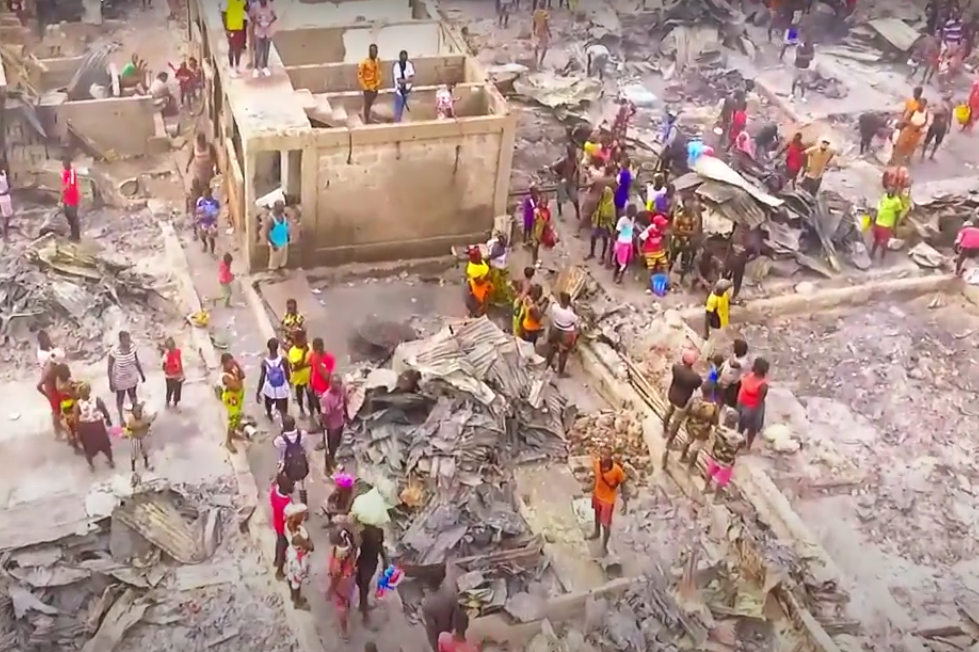
A fierce fire in Susan’s Bay, Freetown, which started at about 6pm on Wednesday, 24 March highlights the insecurity of residents in Sierra Leone’s informal settlements. No death was reported but the entire community was burnt to ashes.
Susan’s Bay is one of Freetown’s largest informal settlements with over 2000 residents. People live in overcrowded and unsanitary conditions along the coast, with little access to proper water supply and sanitation services.
The recent fire caused a massive destruction of livelihoods, houses and properties and left hundreds displaced.
The National Fire Force tried to put out the fire but the lack of access roads prevented fire engines from reaching the community in time to limit the damage, leaving it to burn for over seven hours.
The Mayor of Freetown Yvonne Aki-Sawyerr posted a statement saying “Once again, there was no access for the fire service. A six-storey building under construction . . . blocked what access there previously would have been.”
“Disaster risk reduction cannot happen without effective urban planning and a building permit regime which is focused on reducing environmental and man-made risks,” she added.
The National Fire force chief says it was extremely challenging to reach the disaster area. Nazir Kamanda Bongay says this is an opportunity to rebuild a better community there. Affected residents are still waiting for a word on what their fate will be.
If there’s anything I’ve learnt about being a journalist it’s that things are quite often not as simplistic as they seem. They might get even blurrier when reporting from societies other than yours. A different environment or culture and even a different language might all seem too much of a change to handle when trying to tell stories. Then add meeting unending demands of a 24 hour news cycle, quenching the ever-present thirst of social media and conquering every other facet of the technological age, whilst maintaining professional and ethical standards. It’s exhausting even just thinking about it. So how do you do it? How does one immerse oneself in a completely different environment successfully enough to find and deliver truths to the world?
Number one, you begin even before you get there.
To understand the dynamics of any society, one has to develop a keen sense of curiosity or desire to know. In a classroom lecture, I had the privilege of asking BBC Latin America/Middle East Correspondent Wyre Davies how he got to understand the deep rooted conflicts in the Middle East and become confident enough to report on them. “The simple answer is research” he said. He explained that consuming as much information as he could about a topic or place helped him understand the unfolding events. This includes reading previously published material and keeping abreast with daily reports. So even before you arrive at your location your mind is prepared and you are in touch and quite familiar with the issues.
But certainly, reading about something and being physically present in the situation are completely different experiences. And sometimes what you read only reinforces certain stereotypes about a place or its people. So foreign correspondents must try as best as possible to avoid stereotypes or try to add a fresh perspective through their journalism. Cardiff University lecturer Linda Mitchell says journalists should be careful when re-presenting reality for audiences. This makes sense particularly now when access to media content is infinite and media campaigns seem to be shaping public action and discourse more everyday. However this doesn’t mean you must hold your tongue when it is time to speak truth to power, you only have to be responsible about it.
One area that requires much responsibility from foreign correspondents is religion. Looking at modern-day journalism it is quite impossible to ignore religion given the rise of ethnic conflicts and religious insurgencies. The subject is very much relevant today but still remains one of confusion and controversy. BBC Wales’ Roy Jenkins believes this presents a new challenge for journalists everywhere as they must try not to oversimplify or generalise ideologies of religion.
Several research show an increasing trend in reporting religious conflict especially in Western media. Former BBC journalist Michael Munnik supposes this is because news itself is focused on negativity or conflict and so the media ends up reproducing negative assumptions about religions which are found in certain individuals or cultures. For better coverage of the subject Roy Jenkins proposes “an understanding of the world through the eye of religion”. But what do you do in a position where both the religion and the world are quite complex to comprehend?
In places like Mexico where religion is co-opted and employed by ultra-violent criminal groups, foreign journalists find themselves in a dilemma. On one hand these groups support the community but on the other hand they commit extremely vicious crimes. And when journalists insist on telling these stories they are often flooded with death threats and in worst cases are kidnapped, tortured and/or killed.
What makes such environments even less desirable to work in is when authorities resign to the status quo, allowing criminal groups to operate with relative impunity. Freelance reporter Ela Stapely reckons Mexico is one of the most dangerous places for journalists. During her time there her worries stretched from typical struggles like protecting sensitive information to unfathomable life-or-death experiences. The advice she gives to emerging journalists is to take digital security and safety very seriously.
In today’s technologically advanced world simply turning on the location of any mobile device could get you into trouble. Stapley advises foreign correspondents to undertake courses on digital security, emotional self-care or even the basic first aid training. Such training exist in organisations like Global Journalist Security (GJS) or the Rory Peck Trust.
The truth is the risks faced by journalists reporting conflict or crime anywhere is increasing. So some might prefer a relatively safer but equally interesting beat like business/economics. The key to becoming a master in this area (and in my opinion journalism itself) is to understand and use language in its simplest form. One key struggle for journalists – perhaps more so foreign correspondents, is to not only find the right words but also use them in the right way. In this field one wrong word can kill the impartiality of an entire story. Global media organisations like the BBC train journalists in the language of news reporting and impartiality.
Speaking of language, a second or third language is quite useful for foreign correspondents. It makes interaction easier and is therefore one less thing to worry about.
Frankly, when I examine in its entirety the role of foreign correspondents, I am amazed by how they put it together so seamlessly in the end. I have learned that the industry requires not just “good journalists” but diverse individuals who can think on their feet, multitask, embrace change and keep up with new technology relevant to contemporary foreign news reporting. But as fulfilling as the job may be, I’ve learned to know when to stop and breathe. Self-care is important.
Foreign news reporting is usually considered the peak of a journalism career. It might take time to get there and the job might be difficult but you also get to experience some “once in a lifetime” events and even more importantly tell the stories you believe are worth hearing and shed light on hidden truths. Think about that!







 Antonia Howard