
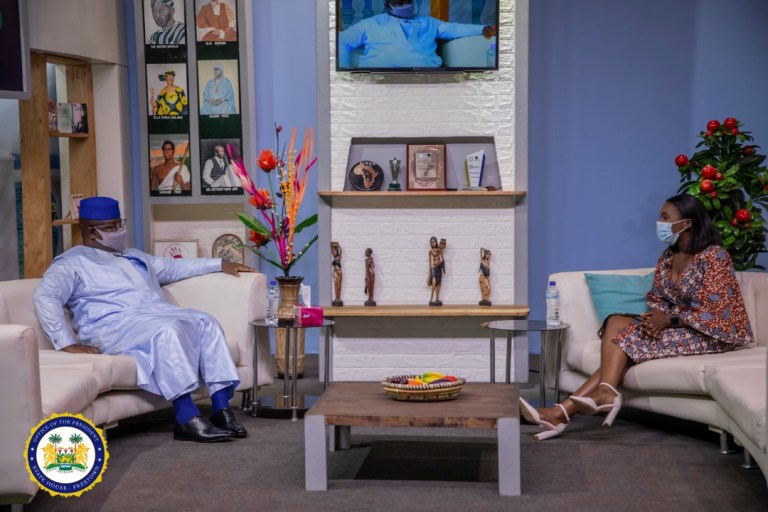
Back in April 2021, three years after he was first declared President, I had the chance to interview President Bio. Now, a year after the June 2023 elections, it’s heartening to see that it didn’t take him too long this time to engage directly with the people.
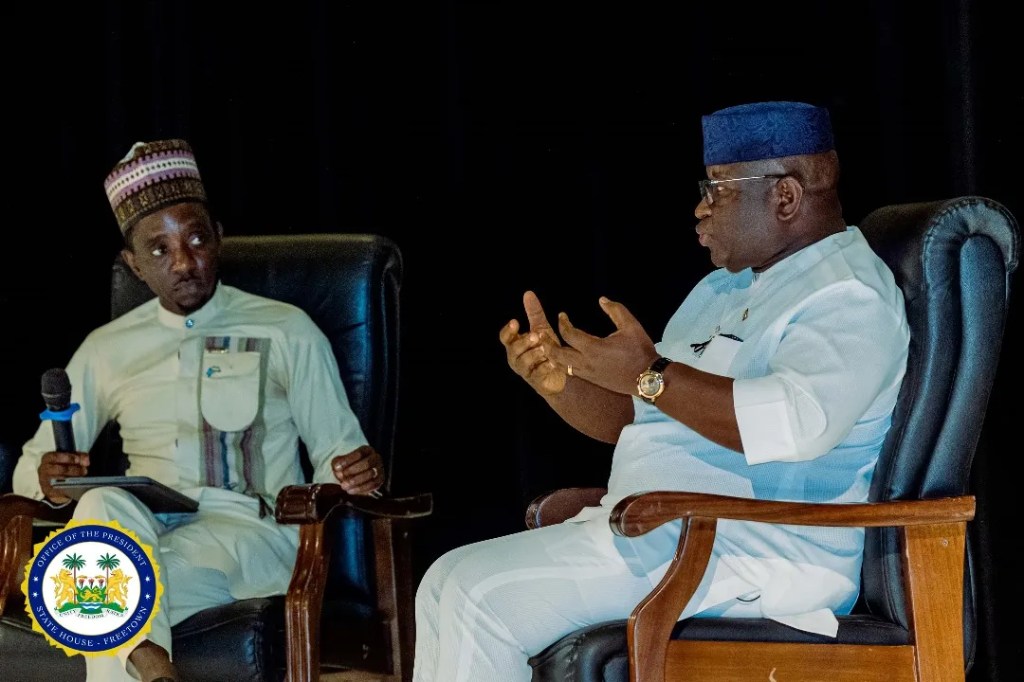
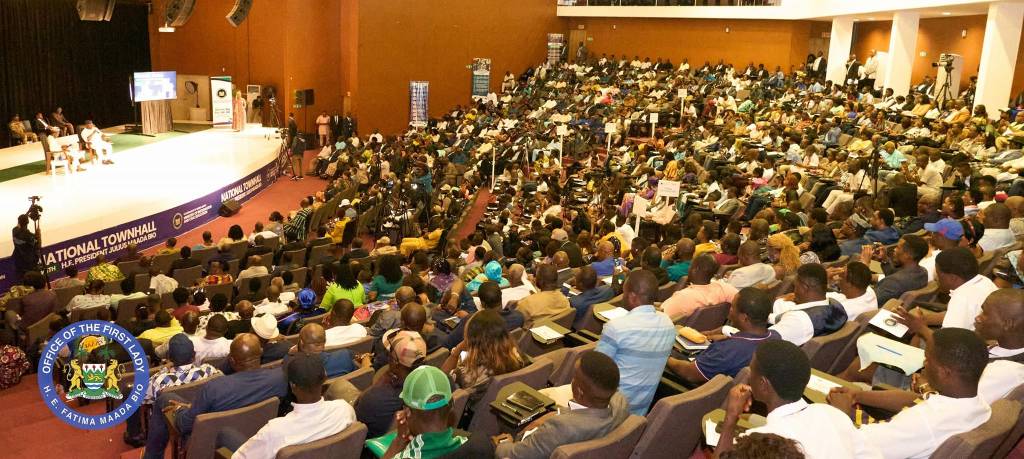
This recent town hall was a moment of transparency and dialogue that many have been waiting for. Citizens were asked to send their questions in advance via text or through a web link. The event was grand, broadcast by TV and radio networks across the country. According to the Ministry of Information, over a thousand people sent requests to attend and over 870 people sent in questions which were grouped under key government initiatives the President would respond to. These include the Feed Salone project, human capital development, youth empowerment and employment, public service architecture, and infrastructure development; under the theme the “Big 5 Game Changers.”
The town hall showcased a blend of positive strides, areas needing improvement, and missed opportunities. It was a platform where the President’s engagement with the public felt genuine, yet it also highlighted some critical areas where this administration could do better.
Speaking in Krio
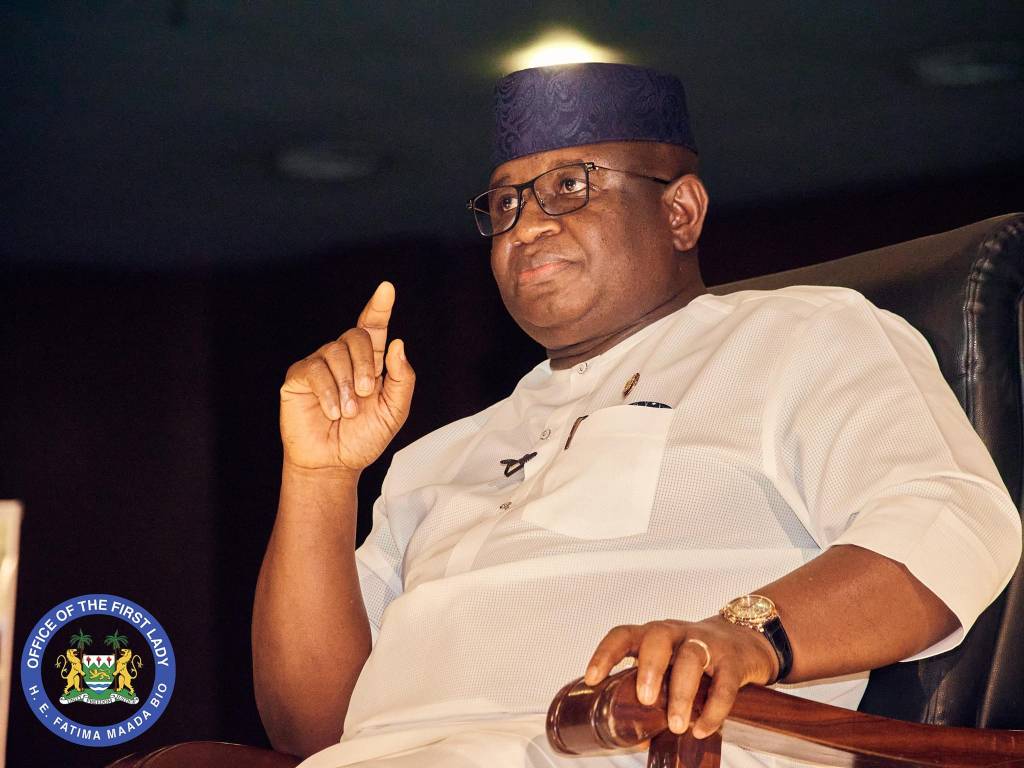
One of the most outstanding aspects of the town hall was President Bio’s decision to speak in Krio. It made the event feel Sierra Leone-owned, reaching Sierra Leoneans from all walks of life. Speaking in Krio ensured the message was accessible to everyone and was a powerful reminder that government communication can and should resonate with the everyday experiences of all citizens. The President tagged the town hall “fambul talk,” which I felt was apt. There was a warmer approach to this conversation unlike any other I had seen President Bio engage in.
Addressing Environmental Challenges
The compassionate approach to the recent heavy rains and their devastating impact was another standout moment. President Bio sympathised with those affected by floods and discussed government efforts to mitigate and respond to environmental disasters. He also highlighted the importance of protecting our environment, acknowledging that citizens, including public officials, often build in illegal zones and block waterways. His call to action for citizens to prevent flooding and landslides was timely and necessary.
Tackling Drug Abuse
The focus on drug abuse, particularly the synthetic drug “kush,” was also crucial. He talked about the establishment of a task force to combat drug abuse, coupled with the promise of stringent action against dealers. He seemed to show a serious commitment to addressing this growing problem. Although I felt his approach to addiction was somewhat insensitive, his appeal for community involvement in exposing drug dealers reflects a needed collective effort to tackle this issue.
Agriculture: A Path to Prosperity
President Bio was particularly passionate about agriculture, emphasising its potential to ensure food security and provide employment for young people. He highlighted that farming is not just about making rice affordable but also about expanding the economy and improving the living conditions of citizens. The Feed Salone project aims to tackle malnutrition while helping the country earn foreign currency to stimulate economic growth. He also acknowledged the government’s role in making farming profitable and appealing and encouraged young people to consider agriculture as a business. Leading by example, President Bio talked about his own farm, showcasing his commitment to this vital sector.

FGM: A Harmful Practice
An inquiry on this from a member of the audience who had sent in her question brought up the sensitive issue of FGM. President Bio was not shy to admit that some cultural practices are outdated. I appreciate his honesty in naming FGM as a practice that is harmful and endangers lives. He challenged the idea of activists and the international community giving sanctions and interfering with the cultures of other states. He made his stance clear as a pro-choice advocate, emphasising his priority to protect children through stringent laws and effective enforcement while allowing adults the right to choose, hoping the practice will phase out naturally.
That being said, I did find it a bit contradictory that the President initially said that although the issue is politicised and he is at the pinnacle of politics, he doesn’t play politics with lives. Yet, he ended with a caution that if we approach the issue differently—referring to calls for a total ban on FGM —”maybe we will not be here even before the next elections.”
There were many other topics President Bio addressed that were fascinating to hear his perspective on. He spoke passionately about infrastructure, claiming it should be his legacy given the number of roads and bridges his administration has constructed. On electricity supply, he candidly called out corruption within the Electricity Distribution and Supply Authority (EDSA) and among citizens. Bio also talked about the mining sector, the Millennium Challenge Corporation funds, Sierra Leone’s position at the UN security council and other governance issues. He seemed transparent and very comfortable expressing himself. While the overall engagement was commendable, there were notable areas where the event fell short of its potential.
Inclusivity and Representation
The process of capturing questions for the town hall highlighted an area of concern. With a population exceeding seven million and over three million registered voters, the 870 questions or so received is actually disproportionately low. The question submission process also meant that only people who were literate, had a phone or computer, and access to the internet could send questions. This discrepancy points to the lack of inclusiveness and limited accessibility, especially considering the country’s low literacy rate and limited internet access. Additionally, the Q&A session was only open to those who had submitted questions via the link or toll-free line, totalling only five, which made it seem less transparent.
Women as an Afterthought
It seemed as though the President overlooked women as a vital constituency for a significant portion of the event. It took him over 90 minutes to outrightly acknowledge women, missing an opportunity to show that the government truly values equality. His attention turned to women in the middle of a response to a question about the UN Security Council. He stated that Sierra Leone is the freest country for women and that it cares for women more than anyone else, highlighting the laws in place. He also claimed that Sierra Leone is regarded as a champion for gender and women’s empowerment. These statements were soon put to the test.
The Elephant in the Room
There was a member of the audience who wanted to ask a question despite not being part of the selected few given the opportunity to do so. She was quickly surrounded by a group of men who were trying to stop her from speaking out. She was intimidated by the audience and scolded publicly for breaking the rules. Fortunately, on the President’s instruction, she was handed a mic to ask her question.
While I applaud President Bio for his decision to let her speak, I do think he missed an opportunity to address two critical issues presented by this incident.
Overzealous Supporters & Response to Dissenting Views
Leaders sometimes fail to call out their supporters when they are wrong, and this incident was a perfect example. While the President was willing to let the woman ask a question, he could have equally corrected the response and behaviour of fellow citizens. Those who tried to silence her, even after she was granted permission to speak, were not reprimanded and this behaviour went unchecked. This was a good chance for President Bio to promote a culture of respectful discourse and tolerance that he completely missed, perhaps distracted by all the needless commotion over something so fundamental to a democracy.
Democracy has rules, agreed. Sometimes, however, a radical approach is necessary to get leaders to listen. Protests in Kenya recently, where thousands stormed Parliament to contest a finance bill, show that citizens will go to great lengths to have their voices heard. While some may describe the actions of protesters as “impolite,” it is their way of demanding their rights. Luckily for us, the woman at the town hall simply wanted to ask a question.
National Cohesion
Another missed opportunity was the President’s approach to promoting national cohesion. While he condemned hate speech and generally called for peace and unity, his rhetoric occasionally reflected an “us vs. them” outlook. His jokes about the opposition’s call for re-election, while perhaps intended to lighten the mood, truly detracted from the seriousness of promoting national unity.

Overall, the national town hall was a step in the right direction. The event was well organised and on the whole, successfully executed. The President’s sense of humour and charisma really shone through, making his performance endearing and enjoyable. The launch of the magazine titled One Year into the Big 5 added a meaningful touch, providing a detailed look at the administration’s achievements and ongoing efforts.
Ultimately, the idea of bringing the President to the people is something citizens could use more of. For future engagements though, it would be even better if a neutral person asked the questions—I mean, you can’t be both the referee and the player. And a much more open and inclusive process will be essential for building a united and prosperous Sierra Leone.
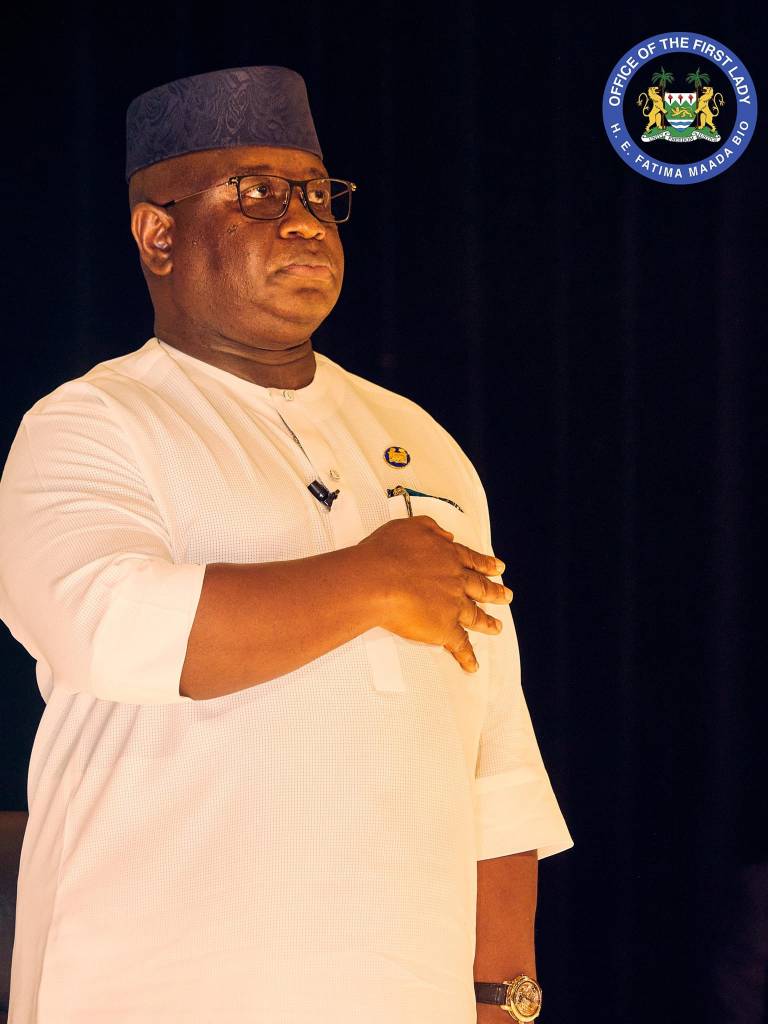
Photo credits: Office of the First Lady, Office of the President





 Antonia Howard