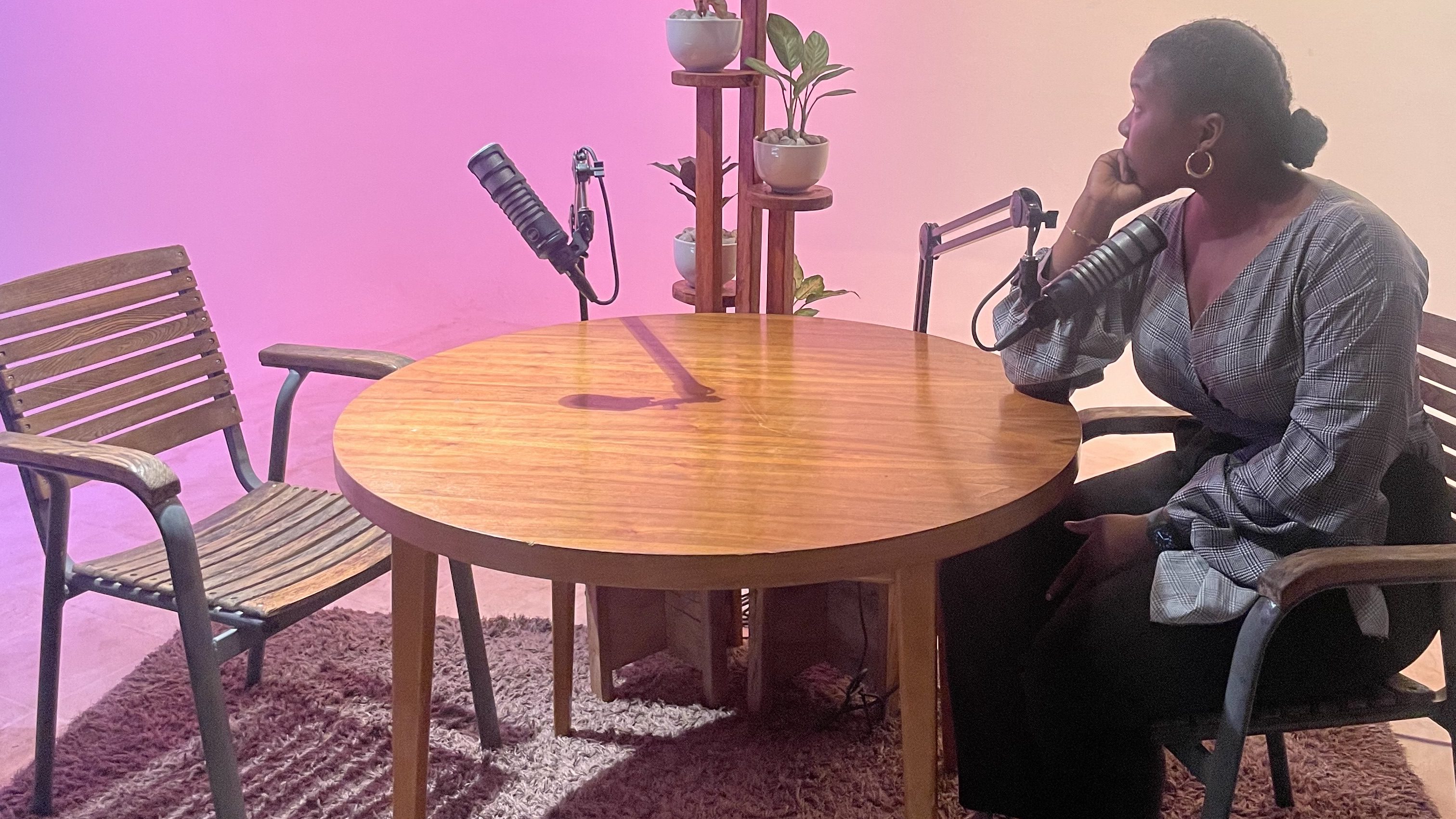
When I pressed “record” on the very first episode of Honestly Speaking with Antonia Howard, I only knew that Sierra Leone needed more spaces for honest, unfiltered dialogue; conversations that cut through noise and held a mirror to who we are as a people.
Twenty episodes later, I find myself pausing to reflect. Each conversation, whether on our collective mindset, the state of education, the role of social media, or the values we’ve lost and must recover, has reminded me that storytelling is not just about recording voices. It is about creating a space where those voices can challenge, affirm, and sometimes even unsettle us.
I’ve spoken with entrepreneurs, educators, historians, activists, strategists, artists and many more. What stands out most is how deeply people want to talk about the issues. At a time when misinformation and division dominate the public sphere, Honestly Speaking has become a consistent, principled space for honest engagement.
Personally, I’ve learned that listening itself is an act of nation-building. Hosting Honestly Speaking has sharpened my courage and reinforced my belief that progress begins when we confront uncomfortable truths together.
But this podcast isn’t just about my personal journey. It’s also about a generation asking: who are we, and who do we want to become? The conversations are Sierra Leonean at heart, yet they echo struggles and aspirations familiar across Africa and the wider world.
Looking ahead, I see Honestly Speaking growing into more than just a podcast. It is becoming a platform: a space for deeper storytelling, more diverse voices, and conversations that don’t end when the episode does, but spill over into homes, classrooms, and even policy debates.
Twenty episodes is just the beginning. The real work and the real promise lies in the conversations yet to come.
So here is my invitation: keep listening, keep sharing, and keep asking deep questions. Support independent voices. Amplify conversations that matter. Challenge leaders, but also challenge yourselves. Because the Sierra Leone we want will only be built if we have the courage to speak honestly about the one we have today.
“The New Face of Salone” is a film that tracks Sierra Leone’s and Africa’s youngest cabinet in their first week in Office, introducing key members: the youngest being the Minister of Communications, Innovation and Technology, Salima Bah (32); the Chief Minister, David Sengeh (36); the Deputy Minister of Health, Dr Jalikatu Mustapha; the Minister of Technical and Higher Education, Dr Ramatulai Wurie; the Minister for Foreign Affairs and International Development, Timothy Kabba; the Minister for Agriculture and Food Security, Henry Kpaka; and the Minister for Information and Civic Education, Chernor Bah — all under 40.
The film contextualises this cabinet within the broader African landscape, highlighting the significance of the ministers’ success not only for Sierra Leone but for youth leadership continent-wide. It also humanises governance by portraying the ministers’ emotional journey as they grapple with their new responsibilities.
At the film screening on Friday evening, I recalled some questions that came to mind when the cabinet was initially announced: Are these young people being set up to fail? Will they bring a different style to governance from what we know? Will their qualifications and competencies change governance in Sierra Leone and overcome decades of political problems, corruption and stunted growth?
Well, about seven months or so have passed since the cabinet’s formation and little change is evident. Transparency and accountability are still quite lacking amongst many other things, while the basic needs of the people continue to go unmet. Political allegiance often overrides logic and honesty, hindering the ability to give and take constructive criticism, dialogue, and compromise.
Citizens’ “blind support” worsens the situation, challenging my previous belief that it was primarily the older generation who were entrenched in their ways, unwilling to transcend party lines. Having witnessed similar patterns of blind loyalty among peers, I’ve come to realise this issue transcends generational divides, levels of literacy, education, exposure, and many other societal factors.
I can acknowledge nonetheless that fanatical devotion to political parties is quite deeply ingrained in our body politic and will not change overnight. Despite their youth and vigour, I know the young cabinet cannot single-handedly overturn entrenched issues. However, they can certainly lead by example if they prioritise transparency, accountability, and integrity in their actions and decisions. By demonstrating a willingness to challenge the status quo rather than support partisan agendas, they can begin to address the systemic challenges, set a precedent for responsible leadership and work towards meaningful reforms.
“We will deliver”, Chief Minister David Sengeh’s mantra echoes persistently throughout the film. But amidst this assurance lies a shadow of public scepticism. Will this government truly fulfil the needs of the people as promised? “How can you be so confident you will deliver…?” queried a young boy from the audience, directing his question to the panel of ministers who sat on stage for a Q&A session after the screening.
In my view, if this young cabinet falls short of delivering tangible results, it should at least emphasise to us the reality that as young people, we are also accountable for the direction Sierra Leone takes. The film portrays this fact glaringly by presenting this cabinet as a profound opportunity for young people to step into the leadership roles we have longed for and shape the future of our nations. Whether serving as appointed leaders or as citizens we share a collective responsibility. Therefore, we must reflect on our actions and intentions.
As young leaders, are we genuinely serving the nation or prioritising our political ambitions? Are we placing the needs of the people above all else? How do we reconcile party loyalty with the principles of transparency, accountability, and integrity? Are we setting a positive example or perpetuating the same old political narratives? As young citizens, are we consistently advocating for transparency and accountability across the board, or only when convenient, such as when it does not involve our friends and family? Does our political allegiance cloud our judgement when prioritising Sierra Leone’s interests? How can we ensure we speak truth to power, even when it is uncomfortable or risky? What role can we play in supporting our leaders (friends & family) while also holding them accountable to their promises?
Although this film provides a compelling view of young leadership it somewhat also presents a sanitised view of governance. This is understandable, considering it only captures the first few days at the beginning of the ministers’ term in office. Additionally, I can appreciate that spotlighting the positives amidst Africa’s prevailing narratives of conflict and corruption reflect the editorial stance of The African Perspective (TAP), the film’s production company.
Overall, “The New Face of Salone” offers a fresh exploration of youth leadership, urging us to engage critically, act with integrity, and strive for a better tomorrow, together. If you are a sceptic like me, you might wonder whether the contributions in the film are indeed a genuine attempt to inspire proactive citizenship or a form of persuasion to cultivate empathy towards the government. I think whatever the intent, the fact remains: there are inherent collective responsibilities in governance, and we all have a stake. So, how can we leverage this understanding to drive meaningful change?



 Antonia Howard